


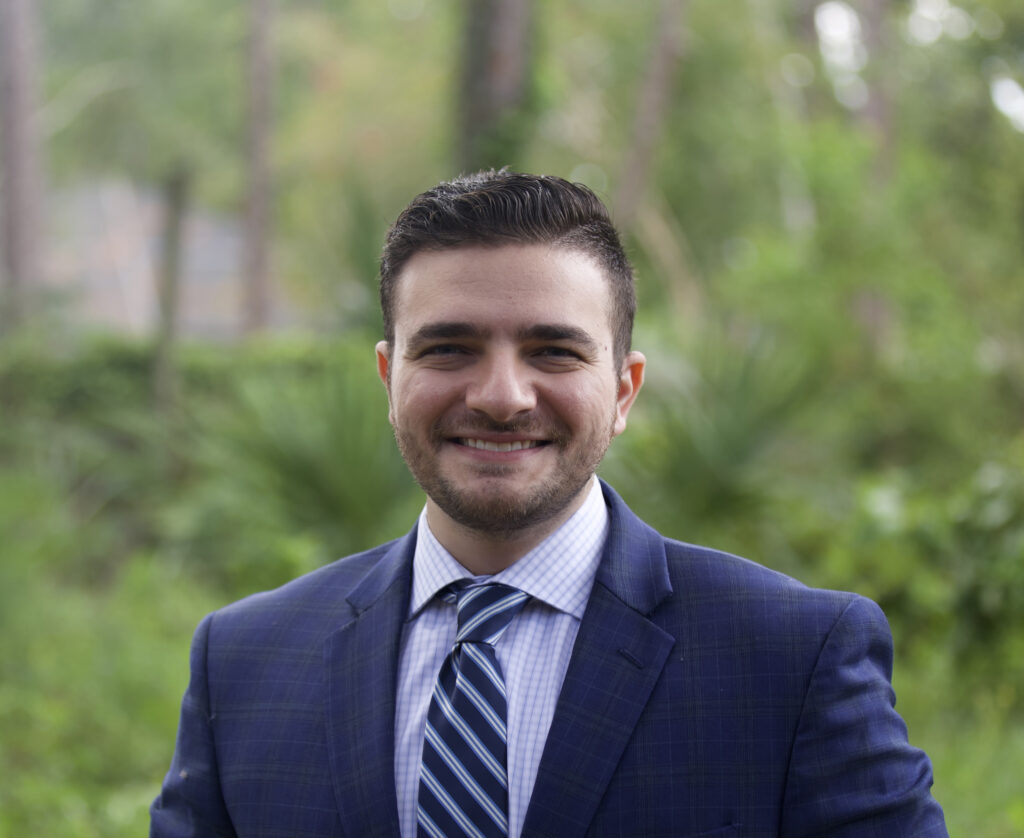
By Rock Aboujaoude Jr.
Later this week, our University of Florida student team departs to the Amazon just prior to attending the world’s largest climate conference. We’re not tourists, we’re witnesses, documenting the Amazon’s changing climate and carrying those lessons to the world stage at COP30 in Belém, Brazil.
I am a 28-year-old Ph.D. student at UF, and the organizer of our journey down the Amazon River. My own research delves into the future of sustainable farming, but this journey is about something far larger: seeing firsthand how the planet’s most vital climate frontline is faring before my generation (Gen Z) is asked to fix it.
We see our journey down the Amazon as far more than symbolic. It’s a living classroom. Just like the students I teach on campus, we are prepared to learn and discover. We hear constantly how deeply this ecosystem is scarred, yet even now it still holds the keys to planetary balance through its forests, soils and people.
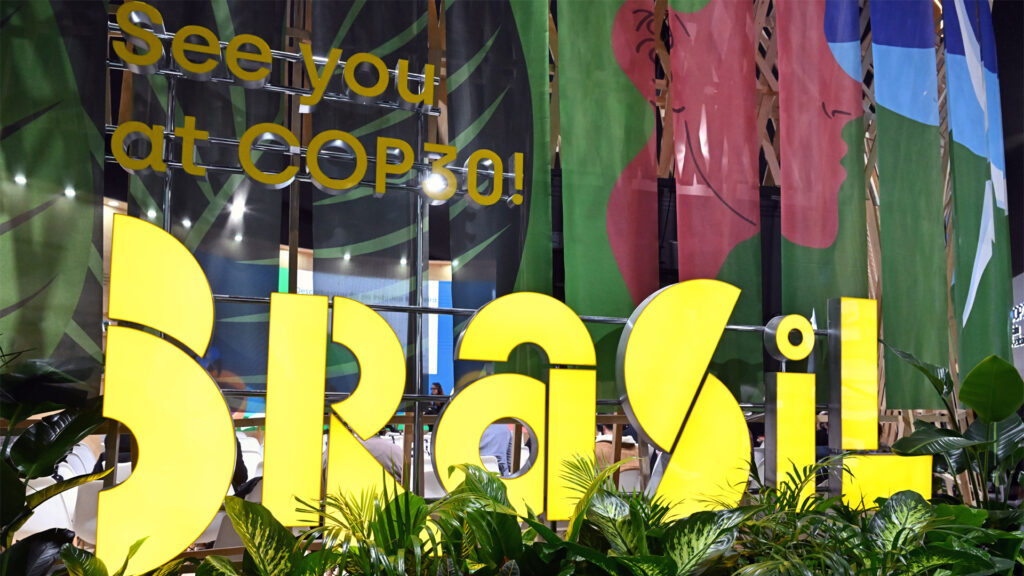
In the past two years, the Amazon has swung from record low waters from drought, to record high levels from flooding that swallows entire towns. What happens here determines whether the world can meet its climate goals.
For us, as UF students planning to document our experience, the connection feels personal. We already see here how Florida’s coasts are eroding, our wetlands shrinking and (last year at least) how hurricanes gain strength faster, a strong reminder that we share the same fight, just mirrored across hemispheres.
By documenting the Amazon’s changing rhythms, we’re not just planning to study climate change, we’re part of the generation confronting that future which both the Amazon basin and Florida’s peninsula are racing toward.
This expedition is part of Campus Climate Corps, a student-led effort to bridge science and policy through education and storytelling. After our documented expedition ends, we will attend the United Nations’ COP30 climate conference, where we will present our footage to the world.
Each day during that conference we will also be hosting live, daily briefings on Instagram and YouTube, connecting our students and attendees back home with the delegates, scientists and leaders represented at the conference.
As a graduate student, I’ve seen how lectures can only go so far. Real understanding comes from witnessing change, from talking to those living at the heart of it. That’s why this journey matters so much: It turns climate education from something we read into something we live.
We’ve already spoken to many of the people whose stories we hope to tell over the phone and Zoom. Each story we hear from them feels like a warning wrapped in hope. Fishermen say they’ve never seen the waters this low. In one village, a mother described to us how her family now rations rainwater, while months earlier floods had taken their crops.
The extremes no longer come down once a decade; they arrive in back-to-back years. Yet, even in these moments of loss, people are still resolved to keep going. They still plant new crops, still go out on the water and fish, hoping that the world is listening.
As students, that’s what we’re there to do: to listen, learn and to bring these voices with us to COP30 and beyond. The Amazon may be thousands of miles from Florida, but the pulse of its struggle beats within our own future.
When we arrive in Belém, the COP30 conversations will focus on policies, numbers and pledges. But as students who will have seen the river’s changing tides up close, we know those numbers represent lives, livelihoods and futures.
Florida and the Amazon don’t need more speeches; we need listeners. That’s what we hope to be on this journey: the next generation listening closely enough to act.
Rock Aboujaoude Jr. is pursuing a Ph.D. at UF in climate science and is a member of Campus Climate Corps. Banner photo: An aerial view of the Amazon rainforest in Brazil (iStock image).
Sign up for The Invading Sea newsletter by visiting here. To support The Invading Sea, click here to make a donation. If you are interested in submitting an opinion piece to The Invading Sea, email Editor Nathan Crabbe at ncrabbe@fau.edu.
