


By Bill Johnson, Florida Solar Energy Industries Association
For years, the federal solar tax credit helped homeowners lower the cost of installing rooftop solar. That incentive has now expired, and many families are asking whether solar still makes sense. Without the residential tax credit, buying a solar system does cost more upfront.
But homeowners in communities like Sarasota, Bradenton and across Southwest Florida also understand something many others do not: When the power goes out after a major storm, it can stay out for days – and sometimes longer.
After hurricanes Ian, Helene and Milton, thousands of families were left without electricity while oppressive heat, humidity and serious fuel shortages made recovery even harder. For many, access to power became a safety issue, not just a convenience.
Imagine coming home to a house that survived the storm, but that had black mold growing everywhere. For many, that was a reality.
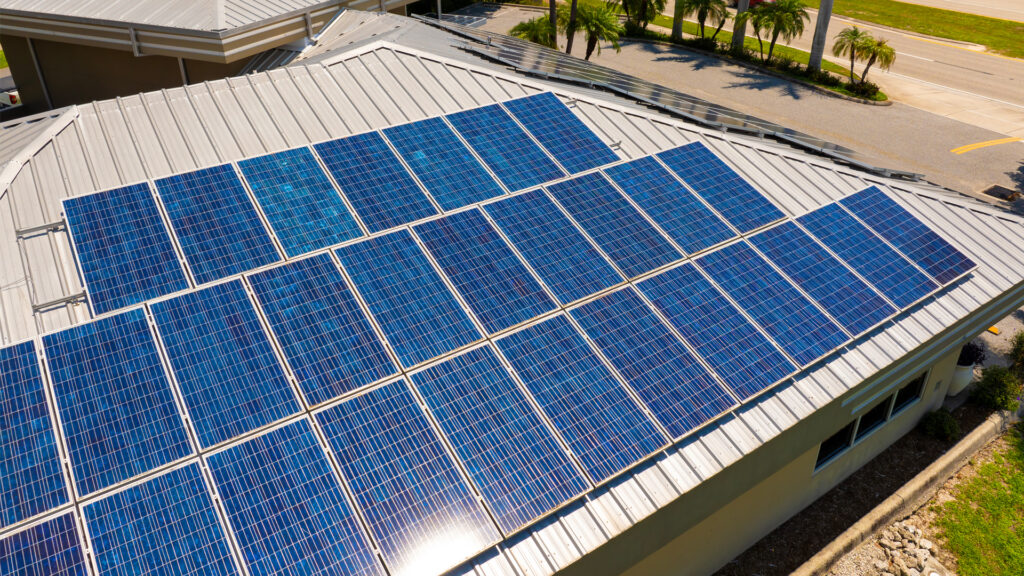
That is where rooftop solar paired with battery storage makes a difference. A solar and battery system can keep essential power running when the grid fails. Refrigerators, medical equipment, lights, phones, internet and even larger devices like air conditioning can stay on with a properly installed system.
Unlike gas generators, batteries do not require fuel, do not create fumes and do not need to be started or serviced in potentially dangerous post-storm conditions. For seniors, families with children and anyone who works from home, that kind of reliability is invaluable.
Rooftop solar is also hurricane hardened: Since reputable installers are required to follow the latest building code, they have to install rooftop solar to be stronger than storm forces. As many residents with solar panels confirmed after the recent storms, their rooftop solar systems were “just fine, thank you” through three major storms. Regionally, the vast majority of rooftop solar arrays in the area had no problems at all.
At the same time, Southwest Florida homeowners are facing rising electricity bills. Utility profits are higher than ever, but that’s not stopping utilities from increasing rates at an alarming pace. Solar helps families take back some control by reducing exposure to future rate hikes.
Even without the residential tax credit, homeowners still have options. Solar leasing agreements remain available, allowing families to go solar with little or no upfront cost.
As with any construction project, make sure to do your homework and hire a reputable, state licensed contractor. Members of our state industry association, FlaSEIA, which has a directory on its website, are some of the best.
Rooftop solar also supports Southwest Florida’s economy: Thousands of Floridians work in the solar industry. Local installers, electricians and contractors play a critical role in both clean energy and post-storm recovery. Local contractors have a vested interest in their customers’ success – so they are usually much more responsive if you do have an issue.
For homeowners considering solar today, the most important questions go beyond dollars and cents. They are:
• How long can my household function without power?
• Do I rely on electricity for medical devices or remote work?
• What is my plan for the next hurricane?
The solar tax credit is gone, but rooftop solar – especially with battery storage – remains a practical investment in resilience, stability and peace of mind.
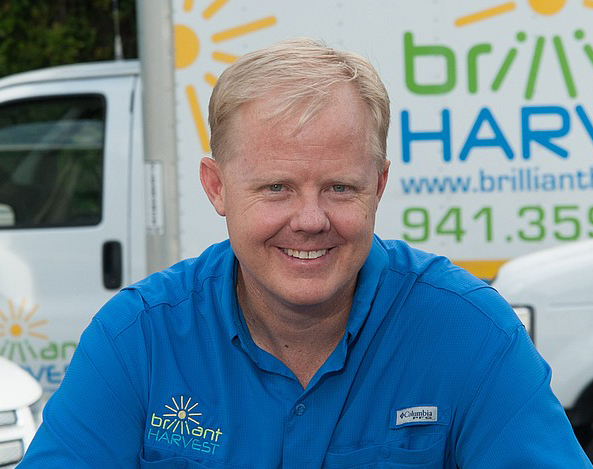
Bill Johnson is president of the Florida Solar Energy Industries Association. This opinion piece was originally published by the Sarasota Herald-Tribune, which is a media partner of The Invading Sea. Banner photo: Workers install solar panels on a home (iStock image).
Sign up for The Invading Sea newsletter by visiting here. To support The Invading Sea, click here to make a donation. If you are interested in submitting an opinion piece to The Invading Sea, email Editor Nathan Crabbe.
