


By Chloe McKenna, ReThink Energy Florida
While reading the announcement of proposed oil and gas leases opening across federal waters, I was instantly pulled back to being 8 years old, watching the 2010 Deepwater Horizon disaster unfold on my living-room TV.
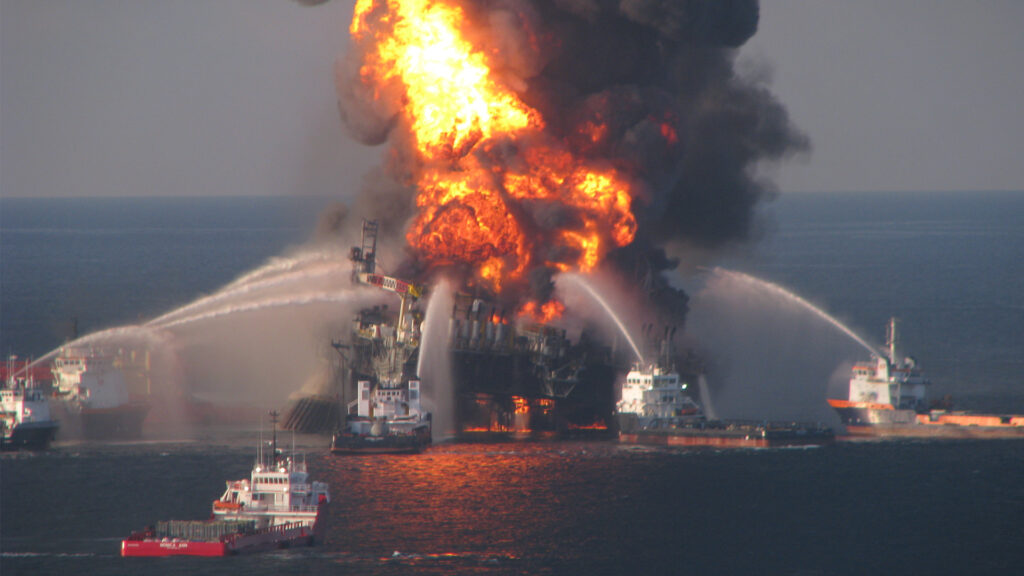
The constant news footage of dead, oil-ridden wildlife and impacted communities along the Gulf Coast sparked a collective sense of urgency about the state of our reliance on fossil fuels — an experience that shaped my childhood and threatens to define the next generation’s.
This disaster was not an isolated incident. Growing up in Southern California, it was almost impossible to escape the looming presence of the oil industry. From offshore platforms visible from shore to discovering tar balls while beachcombing, never knowing whether they came from a new spill or natural seeps, there were always constant reminders of the risks coastal communities are asked to bear.
Our memories shape the relationship we have with the environment and our sense of place – connections that are essential to preserving our natural and cultural heritage. Across the Gulf, the pollution and devastation caused by past environmental disasters remain woven in the fabric of coastal life.
In Florida, we cannot afford to take the climate crisis lightly. Floridians have long endured environmental, social and economic harm from ecological disasters, unchecked pollution and the destruction of biodiverse spaces for development. Opening our waters to more drilling would only deepen those impacts.
On Nov. 20, the Bureau of Ocean Energy Management announced its proposed five-year offshore leasing plan, which would push oil drilling even closer to Florida’s coast. This expansion threatens coastal livelihoods, the tourism economy, ecological health and biodiversity, and community well-being.
By upholding the existing moratorium on offshore oil and gas drilling in the eastern Gulf and extending those protections across the entire Gulf Coast, we can center the health of our environment, communities and future generations as we build a clean energy future. We must do better and act now to ensure freedom from the burden of offshore drilling expansion for future generations.
The comment period closes Friday, Jan. 23, at 11:59 p.m. EST. Submit your comment and oppose offshore oil and gas leasing to support a just, sustainable future for all.
Chloe McKenna is a marine social scientist and environmental communicator based in St. Petersburg. She earned her Master of Science at the University of Edinburgh in marine systems and policies and currently serves as the development and communications director at ReThink Energy Florida. Banner photo: A veterinarian prepares to clean an oil-covered Kemp’s ridley turtle after the BP Deepwater Horizon oil spill (NOAA, CC BY 2.0, via Wikimedia Commons).
Sign up for The Invading Sea newsletter by visiting here. To support The Invading Sea, click here to make a donation. If you are interested in submitting an opinion piece to The Invading Sea, email Editor Nathan Crabbe.
