


By Bob Eichinger, Advanced Decentralized Wastewater Treatment Services
While aging septic systems have been linked to water quality problems in Florida, an option exists to replace these systems at a cost far lower than connecting homes to municipal sewer lines.
Florida currently has 2.6 million installed conventional septic systems that do not adequately reduce the amount of nitrogen discharged into our surface waters or groundwater. Nitrogen is the primary cause of toxic blue-green algae blooms in Florida’s surface waters.
Nitrogen causes excess algae growth that consumes large amounts of oxygen in surface waters, crowding out fish, mammals and healthy aquatic plants. It can also expand the negative impact of red tide.
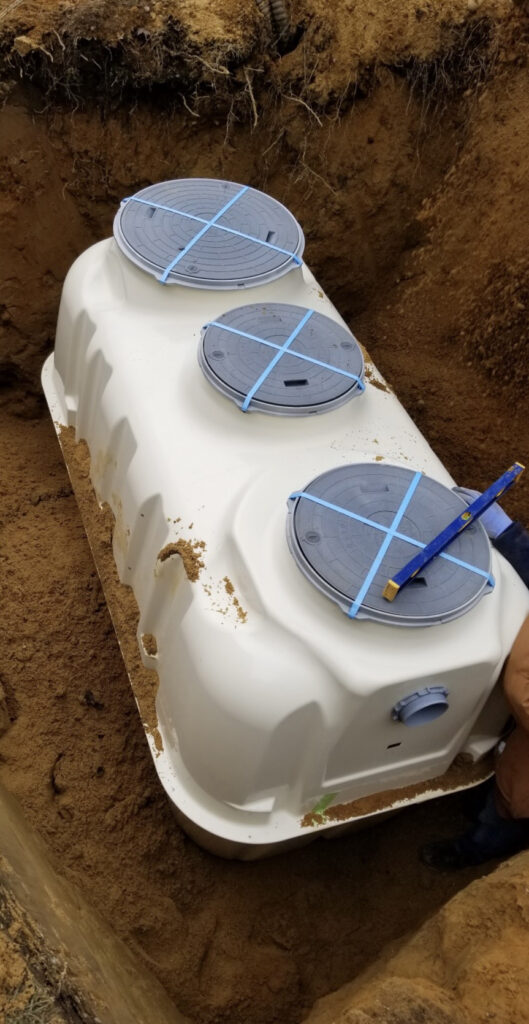
Enhanced nutrient-reducing septic systems (ENRs) provide an alternative wastewater treatment solution specifically designed to reduce excess nitrogen pollution. ENRs have been approved in numerous other states for over 20 years, with tens of thousands of these systems installed nationally.
In 2023, the Florida House of Representatives passed HR 1379, an environmental protection bill that allows for the installation of ENRs. The law is in effect as of July 1, 2023, in environmentally sensitive areas such as the Indian River Lagoon and many of the 27 other areas in Florida with state-approved Basin Management Action Plans aimed at improving water quality.
While conventional septic systems only reduce nitrogen by 25% on average, ENRs must achieve a minimum 65% reduction in nitrogen. Several approved ENRs can reduce nearly 80% of nitrogen, the same as large sewage treatment plants.
ENR are usually two connected underground tanks — a septic tank for trapping primary solids, fats, oil and grease collections, followed by the ENR treatment tank and subsurface discharge. There are some ENRs that are a single-tank solution.
ENRs require a simple one-to-two page design schematic, completed by a professional engineer, and an operating permit from the Florida Department of Environmental Protection. ENRs require installation by a certified contractor and an ongoing service contract from a certified service provider for preventive maintenance.
Most ENRs have NSF-245 nitrogen-reducing certification from the National Sanitation Foundation. These certifications help ensure a long and useful system life comparable to large sewage treatment plants. Both these plants and ENRs have useful lives of 25-40 years.
ENR treatment involves the use of healthy bacteria to break down and consume any remaining suspended solids, while converting nitrate into harmless nitrogen gas that is then dispersed into the atmosphere. These bacteria usually reside on plastic media floating in the ENR treatment tank, utilizing both oxygen-rich and anoxic zones. The highly treated wastewater is then dispersed into the ground, where further beneficial treatment can occur.
Determining the best method for wastewater treatment typically depends on such factors as available land, soil types; water tables, cost, wastewater strength, wastewater treatment requirements and treated discharge options to either surface waters or subsurface soils. In addition to ENRs, options can include connecting to existing or new sewage treatment plants, or decentralized treatment systems (aka community or neighborhood systems).

ENRs are the best choice when homes and businesses are long distances from sewage treatment plants and surface water discharge options; when recharging groundwater aquifers with highly treated wastewater is an option; in areas with porous sandy soils or high groundwater tables; when treated wastewater reuse is an option; and when high-treatment performance at the lowest cost is the priority.
Having ENR costs partially offset by grant dollars is also becoming a more common benefit. Perhaps best of all, ENR installations only take 2-3 days and cause minimal to no community infrastructure disruptions. The sewage treatment plant option is measured in months for connection and causes serious disruption to community roads and infrastructure. ENR systems can also help to maintain low-to-medium community housing density where that is a priority.
Too many times, septic-to-sewer conversions seem to be the only option considered by municipalities. Almost every cost comparison shows ENRs to be one of the lowest-cost options and sewage treatment plants almost always the highest-cost option. I hope readers have a better understanding of the value of ENR septic systems in reducing pollution in Florida’s surface waters and underground aquifers.
Bob Eichinger is president of Advanced Decentralized Wastewater Treatment Services in Tampa. Prior to his move to Tampa, Eichinger managed several Long Island companies where he led the installation of over 500 ENRs in a three-year period. He has also been hired as an adviser to universities, municipalities, HOAs, businesses, ENR manufacturers and ENR installers. Banner photo: An installed ENR at an oceanfront property in Rhode Island (Photo courtesy of Bob Eichinger).
Sign up for The Invading Sea newsletter by visiting here. To support The Invading Sea, click here to make a donation. If you are interested in submitting an opinion piece to The Invading Sea, email Editor Nathan Crabbe.
