


By Grace Hooker
There is something uniquely captivating about Florida’s environment that draws you in and makes you want to stay. I felt this the first time I visited a Florida spring, where I was mesmerized by the soft sounds of nature, the gorgeous, crystal-clear water and the wildlife visible wherever I looked.
Coming from Connecticut, I had never experienced anything like the springs before, and my time there felt like magic. I can still picture the rainbow reflections dancing off the water and the towering cypress trees arching overhead. That day, I knew Florida would come to feel like home.
For many young Floridians like me, Florida’s springs, rivers and coasts are more than just a scenic backdrop; they are places to swim, explore and gather with friends, serving as an escape from academic and personal stress. This sense of connection, however, relies on the environment being clean and undisturbed. When pollution enters these spaces, they undergo a fundamental change, and they no longer create the sense of magic we have all grown to know and love.
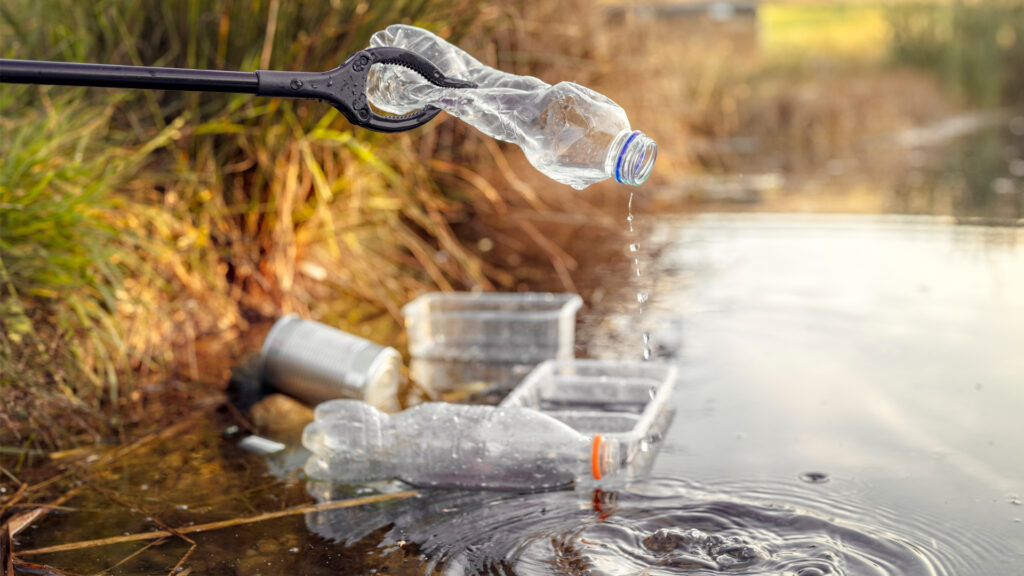
Our connection to the natural environment is increasingly under threat. Single-use plastics clog our springs, pollute our rivers and often end up in the ocean, where they negatively impact marine animals. Additionally, Styrofoam pollution releases a chemical called polystyrene into our waterways, which builds up in the bodies of fish, marine mammals and even humans.
Despite the apparent problem, the state of Florida still lacks a comprehensive, statewide effort to decrease the amount of single-use plastics and harmful polystyrene entering our waters. At the same time, corporations and industry lobbying groups are seeking to use the state’s inaction to eliminate existing plastic regulation adopted by local governments.
The battle over regulating single-use containers in the state Capitol has been ongoing since 2008, when local governments were first prohibited from adopting new rules or ordinances. Since then, the Florida Department of Environmental Protection has produced two legislatively mandated reports, and more than a dozen bills have been filed in the Legislature, yet no substantial progress has been made. This needs to change.
The Florida Legislature can change the status quo this month by passing Senate Bill 240 and House Bill 575, filed by conservative conservationists Sen. Ileana Garcia and Rep. Meg Weinberger. SB 240 and HB 575 are pragmatic pieces of legislation that, if passed, will strengthen and unify Florida’s plastic regulations by requiring the Florida Department of Environmental Protection to develop a uniform ordinance that local governments can choose to adopt to regulate single-use plastics and foam, along with establishing Florida’s first-ever statewide marine debris reduction plan.
Just as important, the bills preserve existing local rules and allow local governments to adopt new rules restricting glass and single-use plastics on public property. Finally, the bills recognize the importance of protecting our world-class state parks by banning the use, sale or distribution of polystyrene foam containers and directing the Department of Environmental Protection to eliminate the use of single-use plastic containers to the greatest extent possible.
Senate Bill 240 sailed through its first committee unanimously, yet HB 575 has stalled in the Florida House of Representatives. With the 2026 Florida legislative session underway, time is limited to move this effort forward.

For young Floridians, this is a moment that calls for our voices to be heard. We are the generation that will inherit the long-term consequences of today’s environmental decisions. With our support to advance these bills, Senate and House leadership can reflect our shared values of stewardship and responsibility, protect Florida’s environment and finally take a meaningful step toward resolving the two-decade debate over single-use plastics.
Both SB 240 and HB 575 are deeply personal to young Floridians because they reflect the priorities of a generation that values clean waterways, accessible outdoor spaces and their connection to the environment. As a generation, we already understand the importance of reusing products whenever possible, decreasing plastic bag consumption and choosing more sustainable alternatives in our daily lives. We do this because we grew up in natural spaces, wondering about them and wishing to understand them. Nevertheless, this key part of our identities is under attack, and we must do more to preserve our natural spaces.
The voice of our generation matters, and we can be heard by supporting legislation like Senate Bill 240 and House Bill 575.
Grace Hooker is a University of Florida student who is interning with the Florida Springs Council during the 2026 legislative session. Banner photo: Plastic waste is picked up from a waterway during a cleanup (iStock image).
Sign up for The Invading Sea newsletter by visiting here. To support The Invading Sea, click here to make a donation. If you are interested in submitting an opinion piece to The Invading Sea, email Editor Nathan Crabbe.

Grace, you’ve written a great response to support the initiatives to clean up the environment. Approval of these initiatives would help save the environment and be a feather in your cap. Keep up the excellent writing and please keep us informed.