


By Tom Hoctor, UF Center for Landscape Conservation Planning, and Vivian Young, 1000 Friends of Florida
What could Florida’s future hold? The relocation of a million residents by 2070 due to land inundation from sea-level rise? The loss of 250 acres of land every day – more than 90,000 acres a year – to sprawling development?
Or the protection of priority natural and agricultural lands and the valuable ecosystem services they provide? A thriving agricultural economy? More compact, livable and fiscally sound communities?
Since 2022, the University of Florida Center for Landscape Conservation Planning and 1000 Friends of Florida have partnered on a series of GIS-based and economic studies to better understand how sea-level rise and community design decisions could impact Florida’s lands, waters and economy.
“Spotlight on Florida’s Future,” available at 1000fof.org/outreach/reports/spotlight, compiles major findings in a brief, readable new report.
Major findings
Based on moderate projections from the National Oceanic and Atmospheric Administration, sea level could rise by about 10 inches by 2040, inundating a million acres of land in Florida and necessitating the relocation of more than 200,000 residents. By 2070, sea level could rise by almost 3 feet, inundating 1.7 million acres and forcing almost a million residents to relocate.
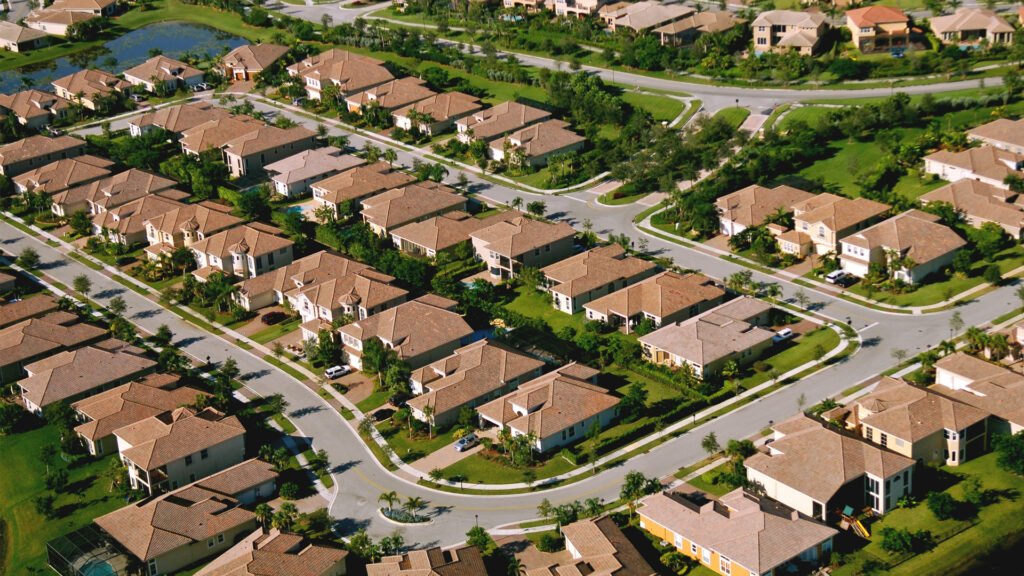
Compounding this significantly is how Florida chooses to develop. Before World War II, communities featured traditional, compact downtown areas with a mix of shops, offices and housing, along with adjoining walkable neighborhoods. Today, sprawling suburbs and strip shopping centers predominate in Florida, with tremendous impacts on our environment, quality of life and pocketbooks.
The bottom line? It takes more land than before to meet residents’ needs for housing, offices, shops and other uses.
With Florida projected to add about 12 million residents by 2070 – about 57% more than in 2019 – continued sprawling development could consume 3.5 million acres, including about 2.2 million acres of agricultural land. Avoiding development on Florida’s most important natural and agricultural lands and returning to more compact community design could save about 1.3 million acres from development.
Florida-focused economic studies conducted by the geoaccounting firm Urban3 reveal that community planning to support more compact design and to keep rural areas rural is the fiscally sound and responsible choice for local governments and taxpayers alike. Avoiding the loss and fragmentation of agricultural land will also help keep agriculture – a mainstay of our state and local economies and essential for food security – economically viable in the decades to come.
Florida can grow smarter
Our state is at a significant juncture. Seemingly small decisions our communities and state make each day have major, cumulative impacts on Florida’s vast, iconic landscape over the long term. Undeveloped land supports essential ecosystem services, cleansing and protecting our drinking water, safeguarding our communities and residents from flooding and inundation due to sea-level rise, supporting wildlife habitat and providing myriad recreational opportunities.
As Florida’s population grows and sea levels rise, making thoughtful, environmentally and fiscally responsible decisions can ensure a more sustainable future for all Floridians. Should we continue to allow development on the state’s most vulnerable lands, even those likely to be inundated by rising seas and flooding? Should we continue sprawling development patterns that consume vast expanses of land, or learn from traditional planning practices that curb sprawl, saving land and taxpayer dollars?
As concerned Floridians, we must grapple with these and other issues. Science-based, data-driven, sustainable planning for Florida’s future is essential to protect our natural and agricultural lands, while ensuring more livable communities for Floridians.
Please take a few minutes to read “Spotlight on Florida’s Future” and consider how you can support smarter development and conservation practices to help create a more sustainable future.
Dr. Tom Hoctor is director of the UF Center for Landscape Conservation Planning, which conducts applied research on the relationship between conservation and land use, bridging the disciplines of design, planning and wildlife conservation. Vivian Young, FAICP, is the special projects director emeritus at 1000 Friends of Florida, a statewide not-for-profit organization focused on sustainable planning practices. Banner photo: An aerial view of Daytona Beach (iStock image).
Sign up for The Invading Sea newsletter by visiting here. To support The Invading Sea, click here to make a donation. If you are interested in submitting an opinion piece to The Invading Sea, email Editor Nathan Crabbe. To learn more about what causes sea-level rise, watch the short video below.

Thank you, Dr. Hoctor. Of course, the people who need to not only read but deeply understand this are the ones making the laws and the profits. They clearly don’t care.