


By Steve Adelstein, Eco World Water
Earth Day challenges us to improve the health of our planet. This year, one issue stands out with urgency: the state of our water. The spread of PFAS contamination, combined with the growing strain on freshwater supplies, is a challenge that demands attention and action.
PFAS contamination is a national concern. PFAS, or per- and polyfluoroalkyl substances, are often referred to as “forever chemicals.” These chemicals do not break down easily in the environment and can accumulate in water, soil and the human body. PFAS are estimated to be present in at least 45% of U.S. tap water, according to the U.S. Geological Survey.
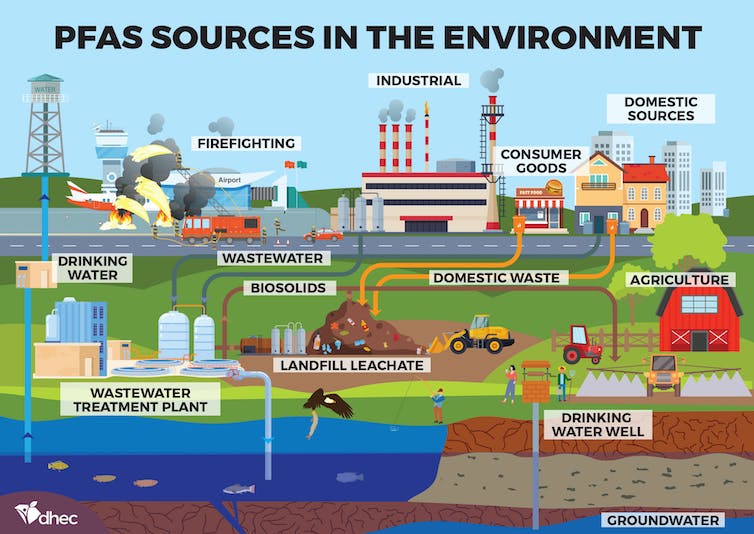
The health risks associated with PFAS exposure are well documented. The U.S. Environmental Protection Agency (EPA) has linked these chemicals to serious health effects, including increased risk of cancer, immune system suppression and developmental issues. Because PFAS persist for decades and are resistant to traditional water treatment methods, the U.S. is facing long-term contamination challenges.
At the same time, the country is confronting increasing pressure on its water supply. The EPA estimates that at least 40 states expect water shortages in the coming years. Population growth, aging infrastructure and climate change are placing added strain on systems that were not designed for today’s demand.
These challenges are connected. Addressing contamination, while also ensuring a reliable water supply, requires a new approach.
Traditional treatment systems were not built to remove contaminants like PFAS at such a great scale. Existing treatment solutions are expensive and limited in effectiveness. As new federal drinking water standards take effect, the EPA estimates roughly 100 million Americans will be impacted. Communities are under pressure to do more.
Thankfully, solutions are available. After more than a decade of development, Eco World Water has completed independent, lab-verified testing that confirms the organization’s ability to reduce PFAS to non-detectable levels. Eco World Water’s advanced technology transforms raw wastewater into cleaner-than-rain, reusable water in less than 15 minutes, rather than days.
The output is treated water that can be safely returned to rivers springs, and channels, helping replenish natural water systems. Wastewater is no longer just something to dispose. It becomes a sustainable supply that can be continuously treated, reused and reintegrated into the environment.
The opportunity for water reuse is significant. The World Bank estimates that more than 80% of wastewater worldwide is discharged into the environment without adequate treatment.
This Earth Day, we need to change how we think about water reuse. We must adopt solutions that remove harmful pollutants, like PFAS, while also restoring usable water back into the environment. The good news is that the solutions are available. They are tested, proven and ready to make a difference.
Protecting water resources requires collaboration between policymakers, utilities and innovators. It requires investment in modern infrastructure and a willingness to adopt new technologies.
Most importantly, it requires urgency.
We, as Americans, have the power — and the responsibility — to lead the world in restoring and protecting clean water for all.
Steve Adelstein is the executive chairman of Eco World Water. Banner photo: Water pours from a faucet into a glass (iStock image).
Sign up for The Invading Sea newsletter by visiting here. To support The Invading Sea, click here to make a donation. If you are interested in submitting an opinion piece to The Invading Sea, email Editor Nathan Crabbe.
