


By Shauna Junco
One evening after work, I came home to find my healthy 3-year-old daughter struggling to breathe. On our way to the hospital, I watched in horror as she began to lose consciousness and slumped forward in her car seat. After rushing her into the emergency department, I learned her oxygen saturation had fallen dangerously low.
Thankfully, she made a full recovery after receiving oxygen and breathing treatments. Once she was safe, my attention turned to the cause, and I was surprised: Her airways had overreacted to a common respiratory virus. She didn’t have asthma or pneumonia, yet she could not breathe.
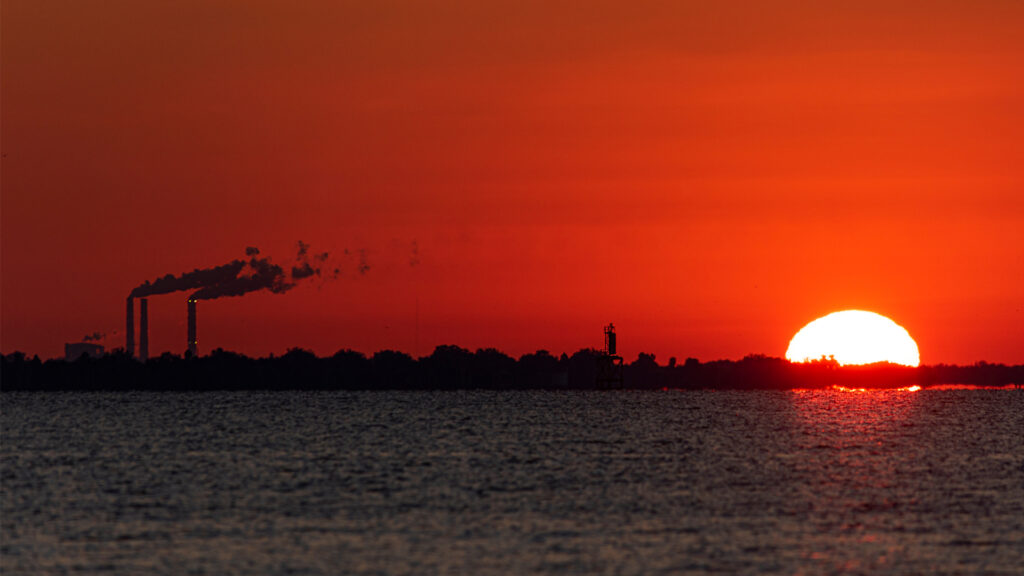
As a health professional, I was stunned to learn that what happened to my daughter was not rare, and it was not random. Living near sources of air pollution increases many health risks, including children’s risk of emergency department visits for breathing problems. Like many families in Florida, we live in an area with an active coal plant and major highways, both major sources of particulate matter, a harmful air pollutant.
I had never thought about the coal plant or highways because they are miles away from where we live, but particulate matter travels tens to hundreds of miles beyond its source. Children who live closest to pollution bear the highest burden, but people across entire regions are exposed. I didn’t know that — most people don’t.
Stories like my daughter’s are reminders that clean air protections aren’t abstract. They’re lifesaving. This is exactly why taking action to reduce all forms of air pollution matters. Because the same smokestacks and tailpipes that emit climate pollution also emit particulate matter and other harmful co-pollutants, reducing climate pollution delivers cleaner air and better health across Florida.
With recent federal actions rolling back bedrock environmental regulations that have steadily cleaned our air for decades, it is more important than ever for local communities to act. But just when we need local entities to set science-based pollution reduction goals, the Florida Legislature passed HB 1217, which blocks cities, counties, school districts, hospital districts and other public agencies from adopting or funding net-zero policies to cut climate pollution, even when those policies would protect community and children’s health.
HB 1217 contradicts medical consensus, scientific evidence and the lived experiences of people across our state. It threatens to increase health care costs, strain hospitals and expose all of us — especially our children — to greater harm. That’s because although only a small share of local governments in Florida have adopted net-zero goals so far, this will discourage any future goals or investments to reduce greenhouse-gas pollution, no matter how much it would benefit residents and children.
Legislators sponsoring HB 1217 stated that local governments trying to meet net-zero goals would waste taxpayer money by investing to meet those goals, but there is no evidence that is the case. When local governments invest in energy efficiency, renewable energy and electrification, they benefit from lower and more predictable energy costs as well as direct operational savings from clean-energy projects. While fossil fuel prices are unstable and can go up at a moment’s notice — as we’ve seen recently with sharp spikes in gas prices at the pump — renewable energy sources have low, stable operating costs.
School districts that pursue net-zero policies benefit from investments in efficient buildings and electric buses, which reduce children’s exposure to air pollution, improve test scores, lower absenteeism and cut operating costs. For local governments, implementing net-zero policies through renewable energy, energy efficiency and electric vehicles translate into lower operating costs. For residents in these communities, that means tax dollars go further.
Although HB 1217 passed the Florida Legislature, we still have time to act. Write to Gov. Ron DeSantis and local officials and tell them you support local governments’ choice to set net-zero goals. Look for ways to reduce the closest pollution sources to your families, like replacing gas appliances, cars and lawn equipment with clean, efficient electric options.
Every parent deserves to know the air their child breathes won’t harm them. My daughter’s story is just one example of what families across the state face if we don’t work together to reduce air pollution. We all deserve to breathe air that doesn’t put our health at risk.
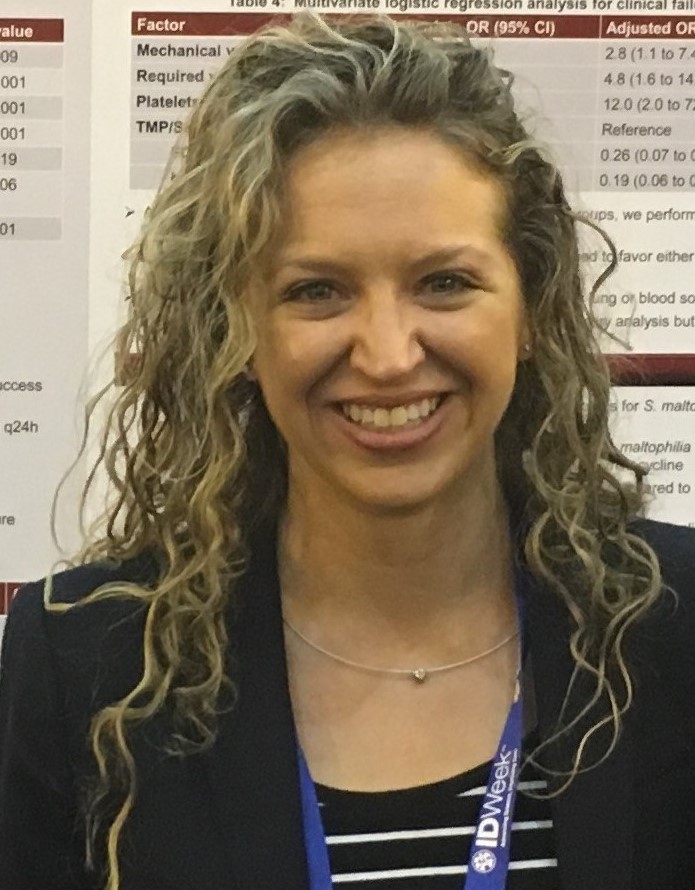
Shauna Junco is a clinical pharmacy specialist in infectious diseases and antimicrobial stewardship with more than 10 years of clinical practice in Orlando. This opinion piece was originally published by the Orlando Sentinel, which is a media partner of The Invading Sea. Banner photo: Smoke streaming from power plant in Florida (iStock image).
Sign up for The Invading Sea newsletter by visiting here. To support The Invading Sea, click here to make a donation. If you are interested in submitting an opinion piece to The Invading Sea, email Editor Nathan Crabbe.
