

Two decades of data show climate change is transforming Biscayne Bay, study finds
Biscayne Bay is becoming warmer, saltier and more acidic, raising concerns for South Florida ecosystems.


Biscayne Bay is becoming warmer, saltier and more acidic, raising concerns for South Florida ecosystems.

The new corals are also intended to increase heat tolerance in Florida’s depleted elkhorn corals

Research demonstrates how animal-borne sensors can work with traditional tools to improve ocean predictions.
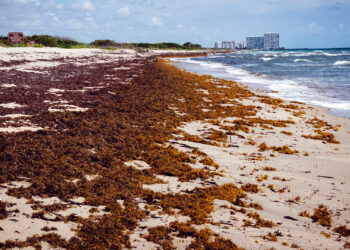
Accumulations of sargassum have affected coastal ecosystems, fisheries and tourism in the tropical Atlantic.
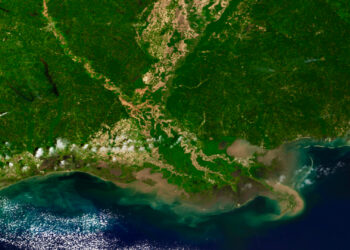
Research found that drought-driven reductions in Mississippi River flow limited nutrient delivery to coastal waters.
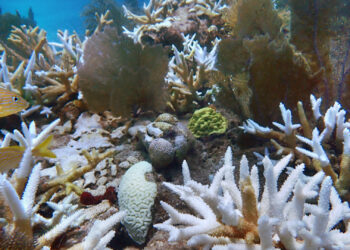
A team of atmospheric, coral and data scientists built a six-week heat-stress prediction system for Florida reefs.

Airborne particles can affect how clouds form and how much sunlight Earth reflects back to space.

Marine heatwaves are becoming more frequent and intense, threatening fisheries, marine ecosystems and the climate system.

Designed for education, the new framework makes climate dynamics more approachable for students and researchers.

A University of Miami study shows how a major global climate pattern influences the systems that help seed Atlantic hurricanes.