Staying safe and healthy during extreme heat
A new report reveals that nearly half the world experienced more extreme heat days last year due to climate change.


A new report reveals that nearly half the world experienced more extreme heat days last year due to climate change.
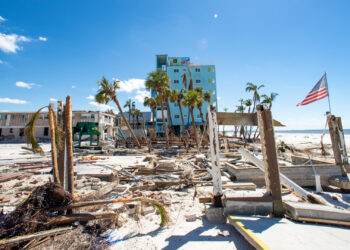
The amount of damage from climate and weather disasters is directly related to the amount of fossil fuel emissions.
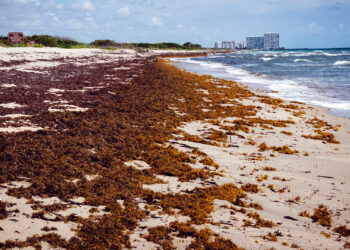
China’s carbon emissions help fuel the proliferation of sargassum on Florida beaches, impacting tourism.
Biochar is a charcoal-like substance created by heating organic material, like citrus trees, without oxygen.
Tribal leaders warn that 'Alligator Alcatraz' impacts the environment of their Indigenous homeland
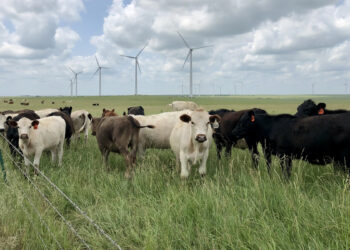
Regenerative agriculture encompasses a wide range of practices that can help farms and ranches withstand a warming world.
Mitigation is the state’s most proven, cost-effective and underutilized insurance strategy.
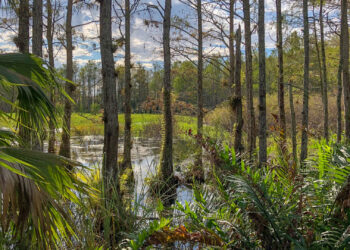
The governor vetoed $6.25 million that the Florida Legislature approved to begin the Ocklawaha River's restoration.
The Office of Energy Efficiency and Renewable Energy funds projects considered too risky for private investors to fund alone.
Antarctic sea ice is vital for the world’s climate and ecosystems.