Sea-level rise could wipe out nests of endangered sparrow; radioactive waste could be allowed in roads
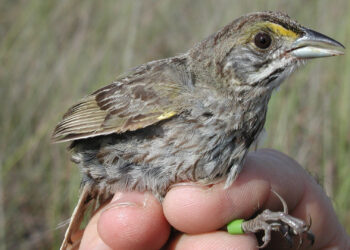
A new study concluded that in 50 years, the Cape Sable seaside sparrow could disappear from coastal nesting grounds.


A new study concluded that in 50 years, the Cape Sable seaside sparrow could disappear from coastal nesting grounds.
The amount of climate-changing methane is twice as much as estimated by U.S. agencies, a new study found.
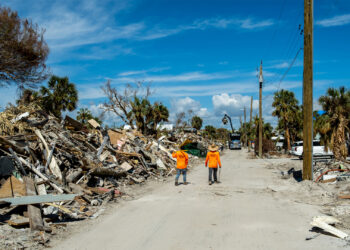
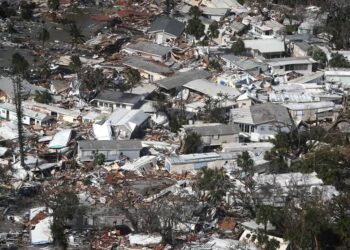
Fort Myers Beach struggles to recover from Ian, lawsuit seeks to protect endangered corals, subcommittee greenlights $100M Florida Forever plan
By John L. Renne, professor at Florida Atlantic University If history is a guide, Floridians will digest and respond to...
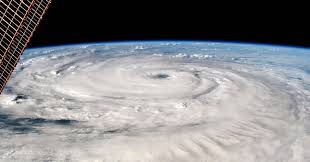
By Tampa Bay Times Editorial Board Hurricane season officially ended Nov. 30. Thank goodness. Tampa Bay got lucky again —...
THE INVADING SEA NEWSLETTER August 2022, Newsletter No. 7 If you’re worried that fossil fuel emissions are going to ruin...
If you’re worried about the planet getting too hot, you always have the choice of looking at the doughnut or...
By Charles Dodson It has been a brutal, scorching, scary summer for people around the planet, which includes us Floridians....
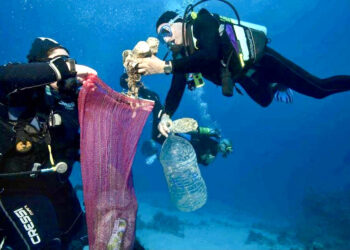
By Jon Paul “J.P.” Brooker, Ingrid Giskes and Nicholas Mallos, Ocean Conservancy In May, a 47-foot-long adult male sperm whale...
By E.S. Browning If you learned you had cancer and needed chemotherapy soon, what would you do? You would probably...