
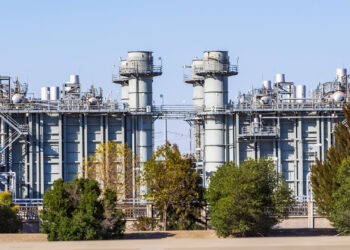
Jacksonville needs real solutions, not a pricey gas plant
JEA’s board approved plans for a plant with a $1.57 billion price tag, 139% higher than its original estimate.


JEA’s board approved plans for a plant with a $1.57 billion price tag, 139% higher than its original estimate.
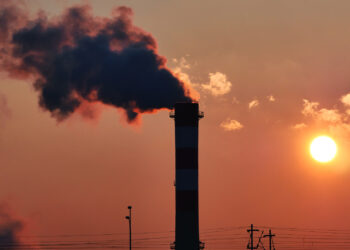
Weakening federal climate protections will leave families paying more for insurance, electricity and disaster recovery.
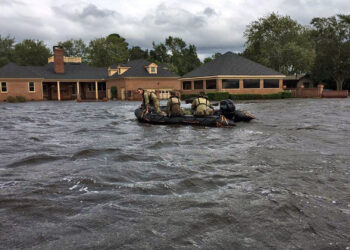
Studies show that heat, air pollution, disease spread and food insecurity linked to climate change are worsening.
Health benefits will no longer be quantified when assessing the monetary impact of new pollution regulations.

Jacksonville’s first climate action plan includes steps to develop or expand recycling and reuse options.
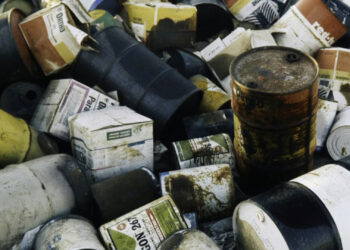
The Documerica project shows in clear photographic evidence how dirty the US used to be.

While the levels detected are relatively small, researchers emphasize they’re far from harmless.
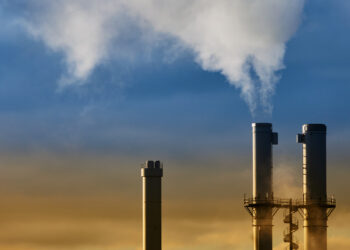
Miami-Dade cannot celebrate composting while building infrastructure that requires us to stop composting.
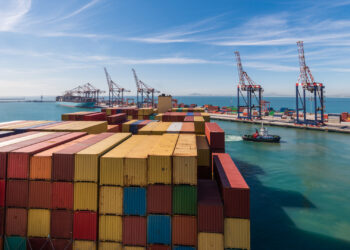
Quantifying how clouds respond to changes in aerosols remains one of the biggest challenges in studying the climate.

There is growing evidence of the connections between climate change and harm to people’s health.