

What our missing ocean float revealed about Antarctica’s melting glaciers
Ocean measurements beneath ice shelves help determine how Antarctica will contribute to sea-level rise.


Ocean measurements beneath ice shelves help determine how Antarctica will contribute to sea-level rise.
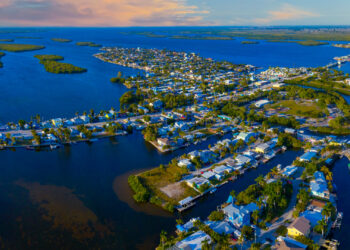
Rising greenhouse gas emissions could cause substantial melting and much higher sea levels.

Heat stored in the ocean is released into the atmosphere when ice melts, accelerating global warming.
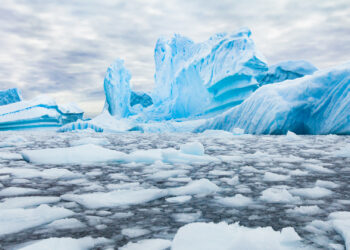
Including the effects of evolving subglacial water in ice sheet models can triple the amount of ice flowing to the ...
A weaker current may exacerbate the melting of ice shelves and contribute to global sea level rise.
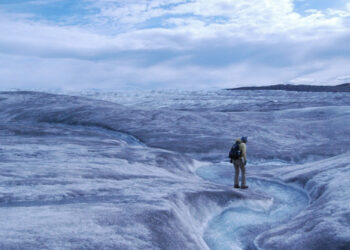
The Greenland ice sheet holds enough ice to increase sea levels by 23 feet, wiping out much of the coastal ...
But the findings don’t mean the 'Doomsday Glacier,' which has the potential to flood coastlines if it collapsed, is stable.
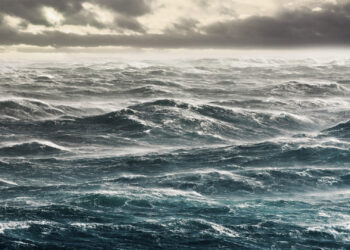
A critical piece of Earth’s global system of ocean currents has weakened by about 12% over the past two decades.
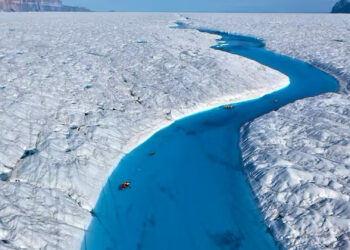
Ice sheets in Greenland and Antarctica may be far more vulnerable to climate warming than models predict.
By Fred Grimm, Sun Sentinel columnist A profound threat to Florida’s future — perhaps the most profound threat — looms ...