
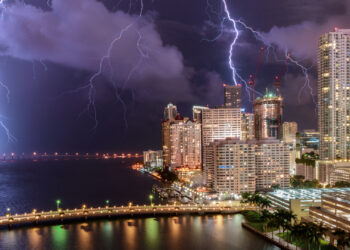
Oceanographer provides rare scientific look at effects of storms on Biscayne Bay
Florida International University's Wei Huang is studying how storms have reshaped the bay’s circulation patterns.


Florida International University's Wei Huang is studying how storms have reshaped the bay’s circulation patterns.

Seawalls have long served as a defense against coastal erosion and storm surges, but often come at an ecological cost.
Exposure to PFAS, known as forever chemicals, has been linked to liver damage, fertility issues, cancer and other diseases.
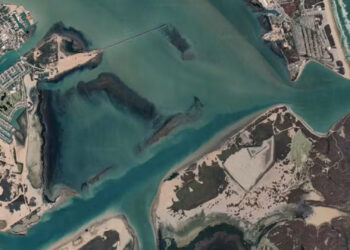
Dredging projects have more than doubled the depths of shipping channels, which can lead to larger high tides and storm ...
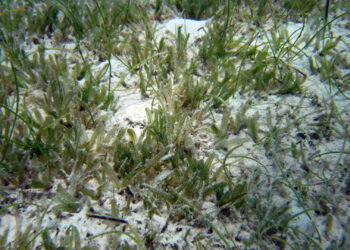
It is the first time the non-native seagrass species, Halophila stipulacea, has been found in waters along the continental US.
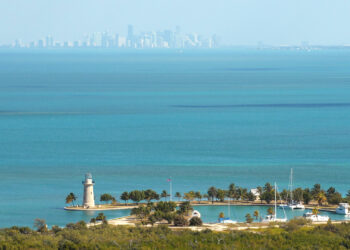
A pilot study using environmental DNA can track changes in the diversity of organisms living in the water.
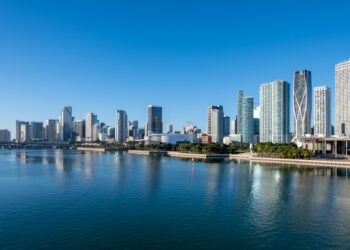
The area encompassing Biscayne Bay, the Florida Keys and Ten Thousand Islands was designated a Hope Spot by Mission Blue.
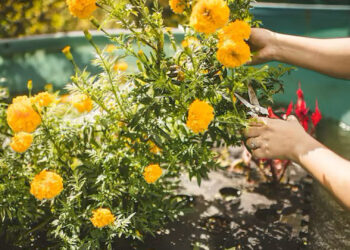
Our promising findings show floating cut-flower farms could be a sustainable option for mitigating water pollution.
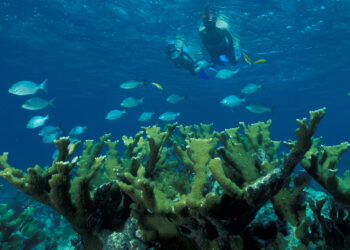
Results offer a glimmer of hope as climate change impacts coral reefs worldwide.
Overall, the research found that support for local policy actions to protect and restore the bay was extremely high.