
Clean energy is key to our next economic boom
The Thriving Economy Project will develop solutions to rising energy costs, growing climate disasters and other challenges.


The Thriving Economy Project will develop solutions to rising energy costs, growing climate disasters and other challenges.

Rural communities struck by natural disasters are creating models for sustainable, long-term recovery.
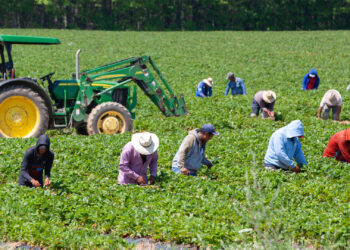
Hispanic Heritage Month highlights achievements and also climate challenges threatening Latino health, housing and wealth.
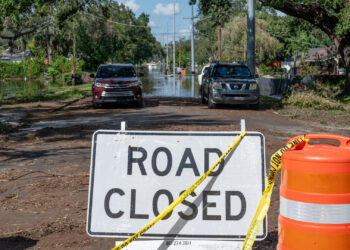
Florida Climate Week runs Oct. 6-12, featuring in-person and virtual events on policy, clean energy and coastal protection.
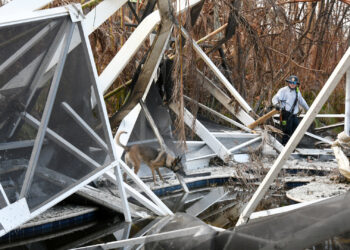
The biggest danger by far is hurricane-related wind damage, followed by flood risk and wildfire risk.
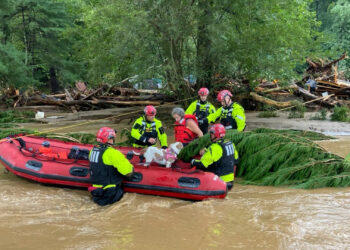
Ensuring that older adults have support is important in rural areas and cities alike as storm and flood risks worsen.
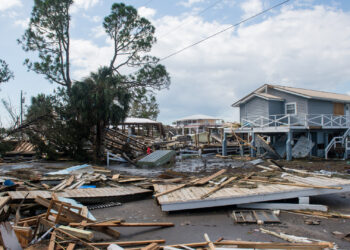
Large insurance companies are also large institutional investors, investing their profits in the fossil fuel industry.
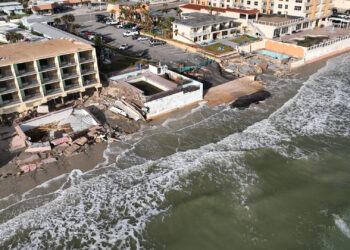
Climate-related shocks could erase over 50% of global GDP between 2070 and 2090, according to the actuarial analysis group XDI.
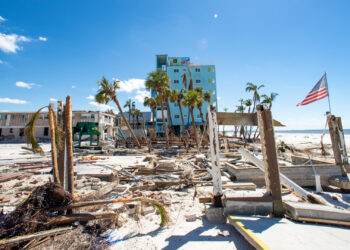
The amount of damage from climate and weather disasters is directly related to the amount of fossil fuel emissions.
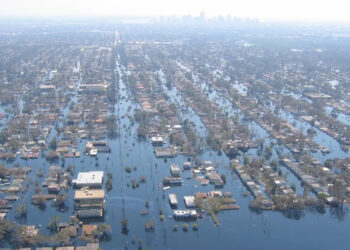
Cuts, chaos and climate change are converging to leave Americans more vulnerable than they were in 2005.