

Hurricane forecasts have improved and saved lives, but cuts threaten to stretch NOAA to breaking point
Vulnerability to hurricanes has increased with coastal populations expanding and storms becoming stronger.


Vulnerability to hurricanes has increased with coastal populations expanding and storms becoming stronger.

Its waters are heating up twice as fast as the global oceans, with huge implications for hurricane risk.

The concentration of greenhouse gases in our atmosphere has rapidly increased over half a century.
A study of a dengue outbreak in Peru has implications for Florida, where local transmission could increase.

The study suggests that ocean warming may not lead to the decline in nutrients and fisheries predicted by earlier models.

Researchers documented sea surface temperatures exceeding 86 degrees F across the equatorial Atlantic.

The ocean absorbs about 90% of the excess heat caused by emissions from burning fossil fuels and other activities.

Unprecedented marine heat waves in the North Atlantic have been driven in part by a recent drop in shipping emissions
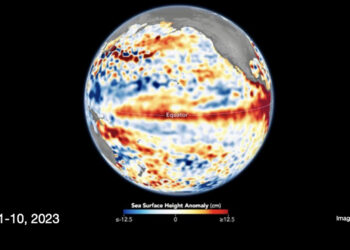
Researchers modeled climate to understand what contributed to the rapid warming of the planet last year.
This climate phenomenon can contribute to the worst possible combination of climate conditions for fueling hurricanes.