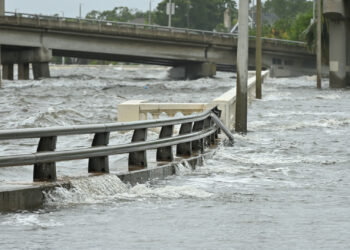
Smart, climate-resilient infrastructure can save lives and taxpayer money
In an era of increasingly erratic climate patterns, infrastructure designed and constructed to withstand these fluctuations is essential.


In an era of increasingly erratic climate patterns, infrastructure designed and constructed to withstand these fluctuations is essential.
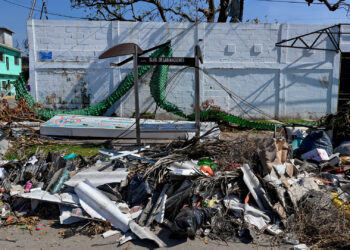
The shortcomings of basing codes on 'probabilistic-based' maps calculated from past wind speeds have also been seen in Florida
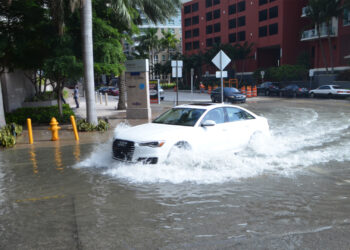
Polsky talked about such issues as how extreme weather and rising sea levels affect Floridians' views on climate change.

The shrinking habitat is raising major ethical and logistical questions about the Endangered Species Act.
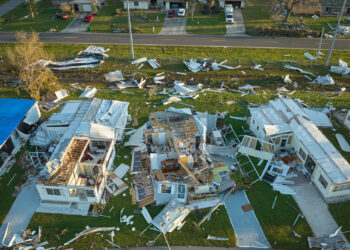
The latest edition of the Florida Climate Resilience Survey found that 90% of respondents believe climate change is happening
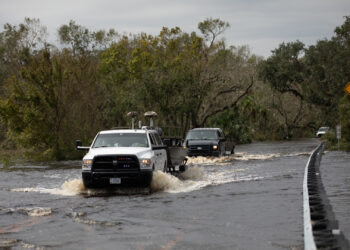
Floridians are more convinced that climate change is happening than Americans as a whole, according to a new FAU survey.
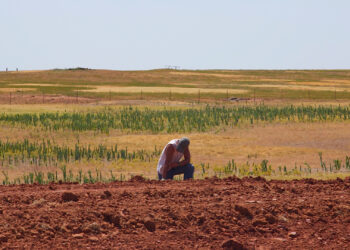
Natural disasters hit farmers with a $22 billion bill last year. Only half of that was covered by insurance.
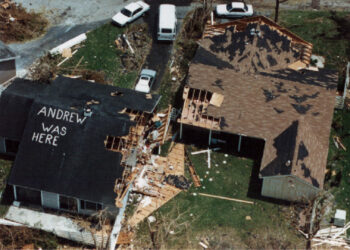
Natural disasters now cost the U.S. insurance industry $100 billion a year. What happens when no one wants to pick ...
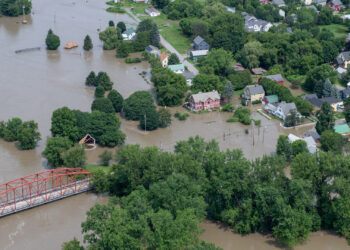
Scientists expect about a 7% increase in precipitation intensity during extreme storms for every 1.8 degrees Fahrenheit of warming.

University of Miami marine geoscientists examine whether extreme weather from climate change can impact earthquakes.