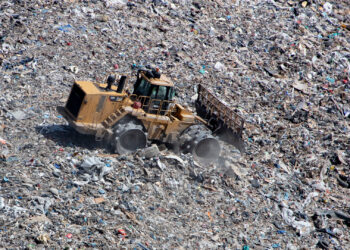
How satellites can help us find and clean up methane super-polluters
Okeechobee and Orlando landfills are among those with the largest methane emissions, according to Carbon Mapper.


Okeechobee and Orlando landfills are among those with the largest methane emissions, according to Carbon Mapper.
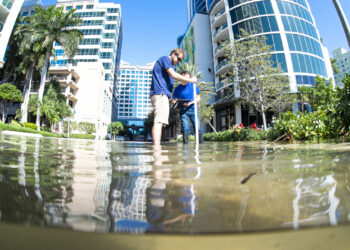
A storm in late October brought 1 billion gallons of water in just two hours to Boca Raton.

This bite-sized video describes the sources of these emissions, problems they cause and potential solutions.

Sargassum is declining in the region where it was first reported by Christopher Columbus in the 15th century.

The ocean is Earth’s largest active carbon sink, pulling carbon dioxide from the atmosphere and storing it for long periods.
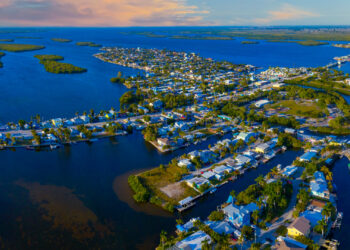
Rising greenhouse gas emissions could cause substantial melting and much higher sea levels.

Consumers’ food choices and cutting back on waste determine how much water is saved.
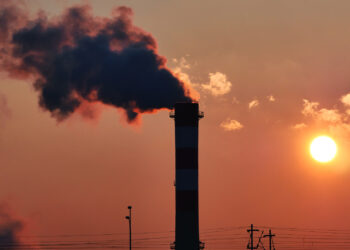
Geoengineering includes innovations to manipulate Earth’s climate, such as using particles to reflect sunlight.

UNESCO World Heritage sites include the Okavango Delta in Botswana and Everglades National Park in Florida.
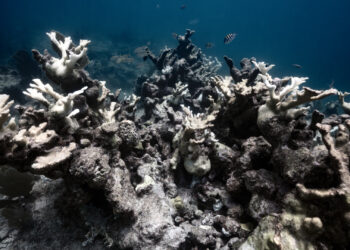
Florida’s reef system attracts tourists, serves as a spawning ground for fish and absorbs offshore wave energy.