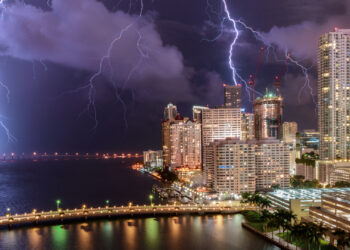
Oceanographer provides rare scientific look at effects of storms on Biscayne Bay
Florida International University's Wei Huang is studying how storms have reshaped the bay’s circulation patterns.


Florida International University's Wei Huang is studying how storms have reshaped the bay’s circulation patterns.
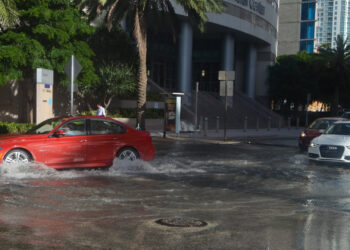
Protecting coastlines, hardening infrastructure and building resilient communities are investments in Florida’s future.
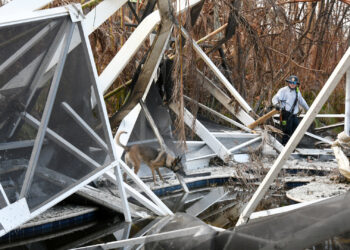
The biggest danger by far is hurricane-related wind damage, followed by flood risk and wildfire risk.
The proposed 2026 budget for NOAA includes cuts targeting research and climate-related programs.

A new study found Miami-area vehicles emit more than 33,000 tons of nitrogen oxides yearly, equal to 30 coal plants.
Our research at FSU shows that acting now to address sea level rise saves money and protects the community.
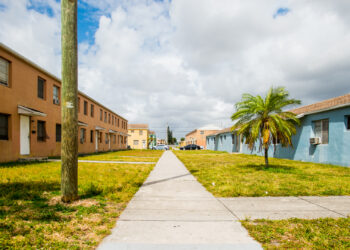
This essay for a Ph.D. seminar at FAU, 'Theorizing Infrastructure,' envisions an eco-friendly future for Liberty City.
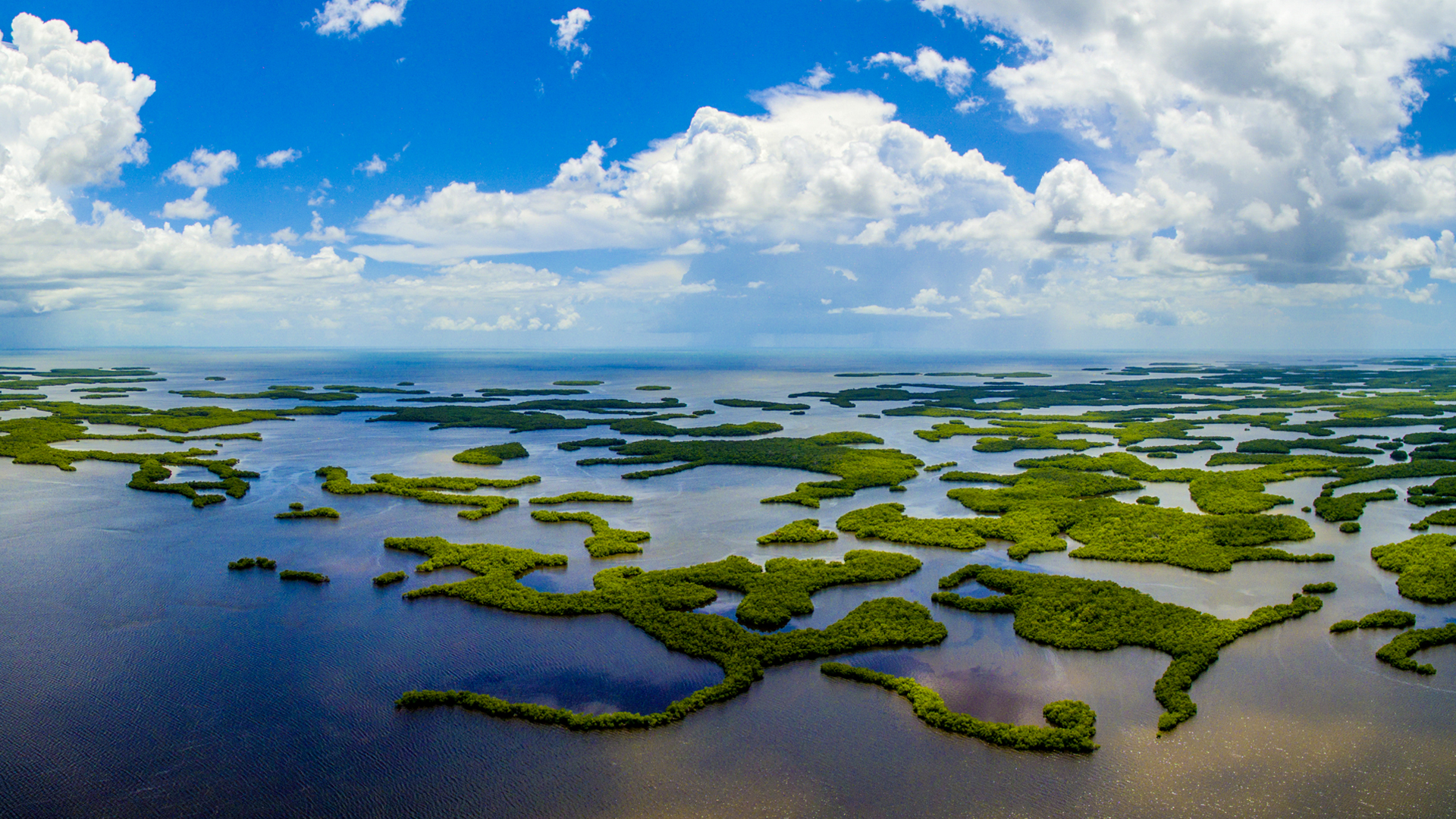
This essay for a Ph.D. seminar at FAU, 'Theorizing Infrastructure,' imagines a mostly submerged future Florida
Miami has the opportunity to embrace new technology to maintain a stable coastline
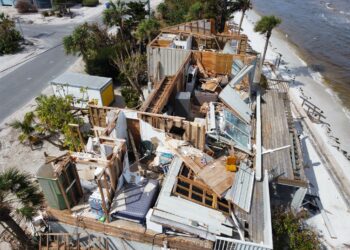
Floridians face challenges in the cost and availability of homeowners insurance as climate risks increase.