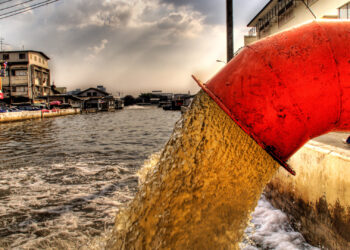
Marine heat waves and raw sewage combine to put human health at risk
When intensifying heat is coupled with pollution, waterborne bacterial pathogens can multiply.


When intensifying heat is coupled with pollution, waterborne bacterial pathogens can multiply.
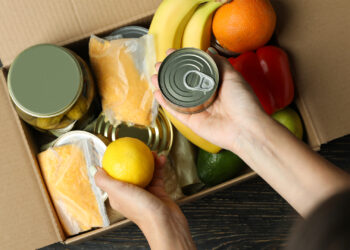
Preventing food waste though nonprofit groups is one way to address the climate crisis at the local level.
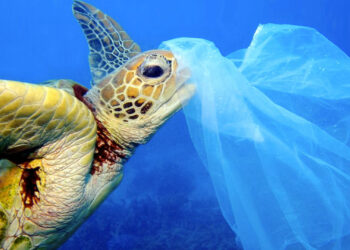
Nearly half of sea turtles, over one-third of seabirds and one in eight marine mammals had plastic in their guts.

Most tires are made of synthetic rubber that sheds particles of microplastics over time.
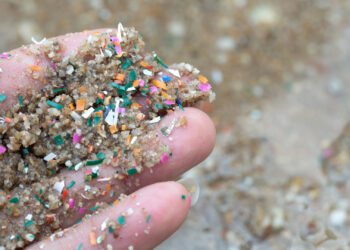
From the air we breathe to the food we eat, microplastics are invading our lives and health.
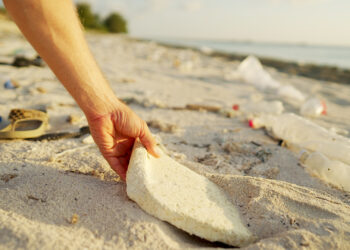
On International Coastal Cleanup Day, plastic foam fragments, cups and plates are among the most commonly found trash.

Current efforts are insufficient to cover all critical areas for threatened species of sharks, turtles and other marine animals.
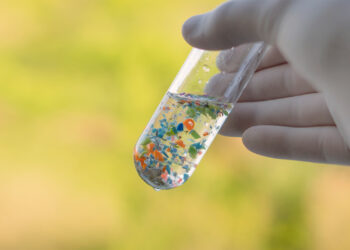
Plastic breaks down into tiny pieces that damage the environment and human health.
An international team of scientists has mapped microplastic distribution from the surface to the deep sea.
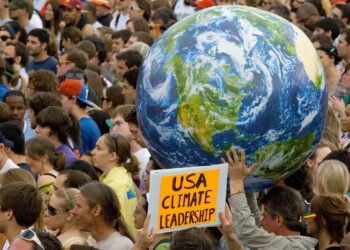
The global organizer of Earth Day is calling for an effort to mobilize people to tackle the current generation of ...