


By Susan Glickman, The CLEO Institute
It’s no secret to anyone that extreme weather is on the rise here in Florida, around the nation and across the globe.
Pew Research Center recently found that 74% of Americans say they’ve experienced at least one form of extreme weather in the past 12 months.
Clearly, risks are increasing. Scientists and government data tell us that our warming climate is making extreme weather events more frequent and intense.
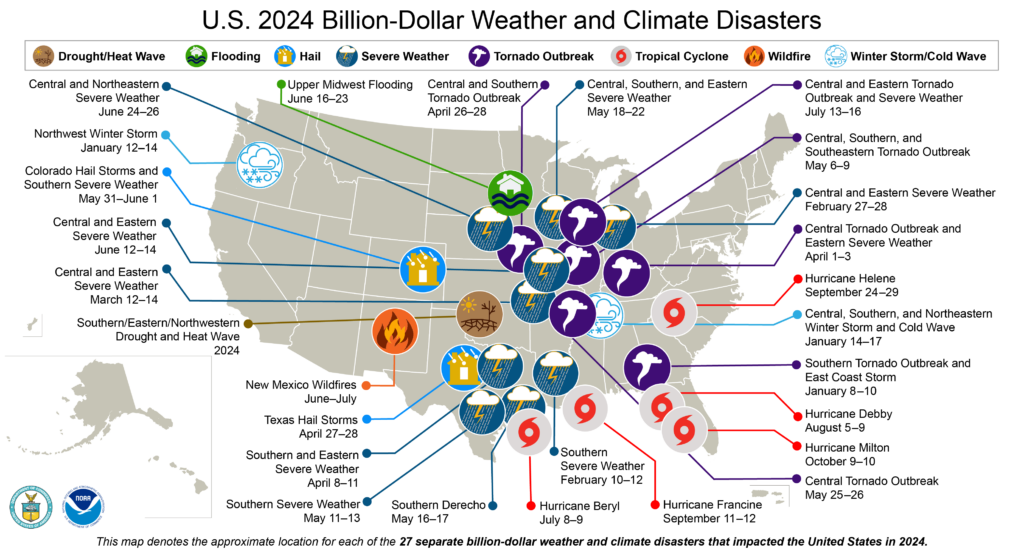
These are not natural disasters as we’ve traditionally labeled them. Rather, they are unnatural disasters because pollution from burning fossil fuels is warming the atmosphere at alarming rates and ratcheting up extreme weather.
The CLEO Institute just hosted a discussion on this increasing challenge with two experts on the topic. You can access a recording of the conversation by clicking here or watch it below.
A fixture in South Florida news for decades, John Morales, now hurricane specialist at WTVJ NBC6 in Miami (having previously served as chief meteorologist), kicked off the discussion about his real-world observations from his perch as a meteorologist.
John — an honorary member of the American Meteorological Society — voiced concerns that budget cuts at agencies like the National Weather Service and the National Oceanic and Atmospheric Administration put us all at risk by reducing our access to information. Plus, this is all very costly, since weather and climate disasters costing over $1 billion in damages have become regular occurrences in the United States.
The conversation shifted to the health risks from extreme weather with WebMD’s chief physician editor, Dr. Neha Pathak, sharing her insights. Dr. Pathak hosts WebMD’s Health Discovered podcast. She explained how the warming climate is increasing a host of health issues including heat illness, mosquito-borne diseases, respiratory and cardiovascular problems, asthma and allergies, just to name a few.
Given the financial and health burdens of the climate crisis, it is deeply disturbing that the Environmental Protection Agency (EPA) on July 29 published a proposal to repeal the bedrock scientific determination — known as the endangerment finding — that carbon pollution threatens our health and environment. Without it, the federal government loses its legal authority to limit climate-warming gases like CO₂ and methane.
By ignoring science and dismantling the very tools that have kept our air cleaner and our communities safer, we are choosing vulnerability over security. This could mean more lives lost to extreme heat, more homes destroyed by hurricanes and floods, more forests or neighborhoods consumed by wildfires.

This is a direct attack on us and our future. It would make regulating climate pollution nearly impossible at a time when our communities are facing extreme heat, floods and rising utility bills.
Here’s the reality: We already have the knowledge, technology and capacity to protect people, strengthen our economy and lead the world in clean energy. Abandoning these tools is not just short-sighted, it’s dangerous.
Congress must act now to defend the endangerment finding, uphold the EPA’s mission and keep America safe, competitive and on the path to true energy independence. Our lives, our livelihoods and our place in the world depend on it.
Click here to take action.
Susan Glickman is the vice president for policy and partnerships with The CLEO Institute. Banner photo: Destruction caused by Hurricane Milton in Englewood (iStock image).
Sign up for The Invading Sea newsletter by visiting here. To support The Invading Sea, click here to make a donation. If you are interested in submitting an opinion piece to The Invading Sea, email Editor Nathan Crabbe at ncrabbe@fau.edu. Watch the “Extreme Weather on the Rise” webinar below.
