


By Beth Brady, Save the Manatee Club
Florida’s manatees are more than just a gentle giant; they are the state marine mammal, cherished by residents, and a reason tourists come to visit our state. Thanks in part to strong legal protections under the Marine Mammal Protection Act (MMPA), no manatee populations, nor any other marine mammal species, have gone extinct.
For more than 50 years, the MMPA has served as a cornerstone of marine conservation, prohibiting the harassment, harm, capture or killing of any marine mammal in U.S. waters. These long-standing protections have been essential in protecting vulnerable species from the most damaging impacts of human activity. But today, that progress is at risk for all marine mammals. Newly proposed legislation threatens to gut the very safeguards that have protected our nation’s treasures.
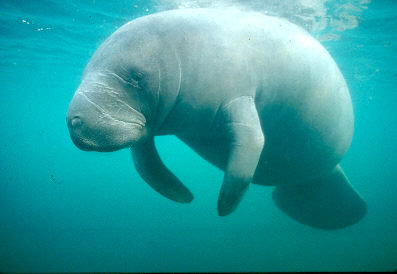
Presently, the MMPA protects all marine mammals irrespective of whether they are currently imperiled and seeks to promote Optimal Sustainable Populations (OSP) as the overarching goal for each. This goal ensures species can not only survive, but that species are abundant enough to thrive in their ecosystems and adapt to future threats.
The proposed change would redefine this goal to mean only the minimum number of animals needed for “continued survival.” But survival is not recovery. A population that merely survives may be unhealthy, vulnerable to disease, disasters and human impacts, and unable to rebound.
Case in point: From 2020 to 2022, an Unusual Mortality Event (UME) caused the death of over 1,000 manatees due to starvation from lack of forage in the Indian River Lagoon. Although the UME is over, this potential shift in policy would drastically weaken protections and fail to support the long-term recovery of manatees already attempting to rebound from losing approximately 20 percent of the East Coast population.
Like manatees, North Atlantic right whales continue to face life-threatening risks from vessel strikes and entanglement in fishing gear. Fewer than 360 of these critically endangered whales remain, and each winter females migrate to calving grounds off Florida and Georgia. For them, “just surviving” is not enough. Without stronger protections and meaningful recovery efforts, these amendments all but guarantee a trajectory toward extinction.
Manatees face similarly escalating threats in Florida’s increasingly crowded waterways, where 96% of adult manatees bear scars from boat strikes and one in four has been hit 10 or more separate times. The construction of new watercraft facilities can destroy seagrass habitat and increase boat traffic, heightening the risk of vessel strikes.
The draft amendments to the MMPA would severely restrict federal agencies’ ability to ensure development is properly permitted and mitigated to protect manatees and their habitat. Moreover, at a time when federal agencies are already struggling with shrinking budgets and experienced staff losses, these amendments would all but eliminate the limited oversight that remains to assess and address the cumulative threats facing manatee populations.

Protecting manatees and whales also means protecting Florida’s iconic coastal and freshwater ecosystems in which they reside. This includes seagrass beds, coral reefs, mangroves and our outstanding springs. These natural systems provide clean water, jobs, vital fish nurseries and habitat as well as offering the scenic beauty and recreational opportunities that Floridians deeply value.
We have a choice. We can uphold the legacy of conservation and recovery, or we can stand by while a select few attempts to dismantle the very framework that made it possible. If we care about Florida’s future, about clean water and wildlife, we must speak out. Manatees and right whales can’t speak for themselves, but we can.
Here’s how you can help: Write or call your members of Congress and demand they defend the MMPA against these heinous attempts to leave manatees and marine mammals defenseless: savethemanatee.org/preserve-the-mmpa.
Beth Brady is Save the Manatee Club’s director of science and conservation, whose work focuses on manatee biology and conservation. She has her PhD from Florida Atlantic University and her master’s degree in marine science from Nova Southeastern University. This piece was originally published at https://savethemanatee.org/dont-gut-the-laws-that-protect-floridas-marine-mammals/. Banner image: A manatee in Crystal River (iStock image).
Sign up for The Invading Sea newsletter by visiting here. To support The Invading Sea, click here to make a donation. If you are interested in submitting an opinion piece to The Invading Sea, email Editor Nathan Crabbe at nc*****@*au.edu.

It is extremely important to protect the manatees and the other endangered animal species in our state. Anything to destroy or upset our delicate ecosystem will have disasterous affects on our state and our ecosystem. Please put Florida, animal protection above politics.