


By Zoe Middleton, Union of Concerned Scientists
Across the nation, cities and states are struggling to respond to the colliding housing and climate crises. Many factors from rising construction and insurance costs to cuts to housing retrofit programs make it harder to build and preserve affordable housing. All the while, extreme heat — the deadliest climate impact — continues to worsen. That’s why my colleagues and I at the Union of Concerned Scientists analyzed the risk posed by extreme heat to affordable housing residents between May and October of 2024, the hottest year on record.
Using National Weather Service (NWS) county-level heat alerts, we analyzed the exposure of nearly 8 million units in key portions of the U.S. affordable housing market and found that in 2024, most experienced one or more weeks’ worth of NWS heat warnings. While residents of affordable housing were exposed to extreme heat in every region of the country, Florida ranked fourth in the number of affordable homes exposed to one or more weeks’ worth of heat alerts, with 321,147 homes exposed.
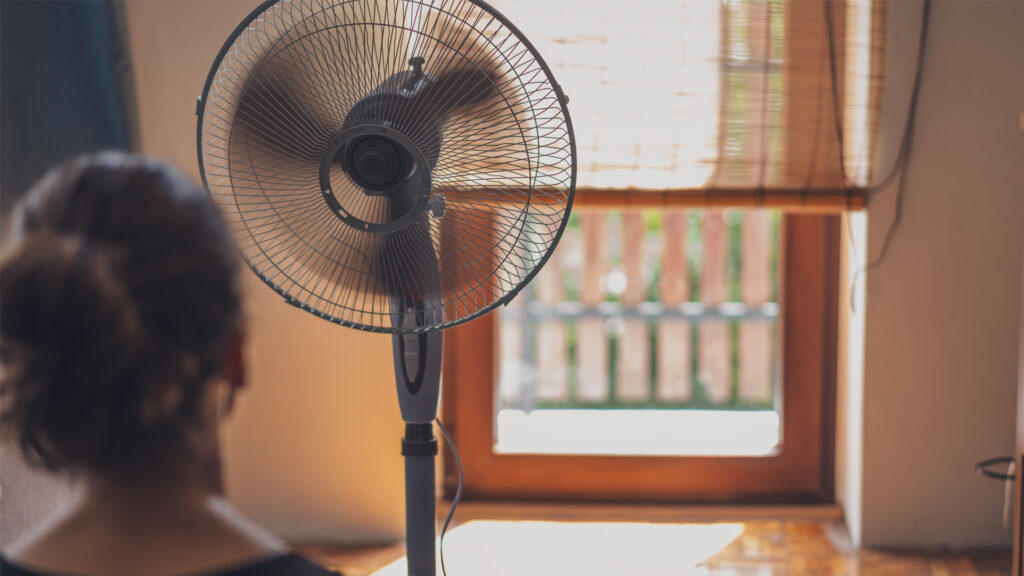
The people who live in those homes have varying ability to withstand heat, depending on their financial ability to cool their homes amid soaring energy prices, the construction quality of their properties (many of which were built for a different climate reality) and their own health vulnerabilities.
Heat-related deaths can happen quickly, leaving people little time to seek help. That makes passing policies and funding investments to keep people safe in their homes even more important.
Our analysis found that people of color face disproportionate risks of exposure to dangerous heat, even accounting for their overrepresentation in housing considered affordable for those with low incomes. We found that Florida ranks fourth in the nation for having the largest percentage of households that experienced heat alerts headed by a person of color.
Thankfully, some state lawmakers in Florida recognize the urgency of this issue and have proposed legislation to prohibit residential utility disconnections during extreme heat or emergencies and require cooling equipment in rental properties since air conditioning is not explicitly required in rental properties under current Florida law.
This summer, the city of Miami began an effort to study heat exposure inside homes with a focus on climate justice neighborhoods — an excellent first step in gaining the locally relevant knowledge needed to better understand and mitigate the impacts of extreme heat among the city’s most vulnerable residents.
Addressing extreme heat must be a whole-of-government effort, not just the work of a few bold legislators or dedicated local resilience offices. The second Trump administration has made acting on extreme heat harder by undermining the National Oceanographic and Atmospheric Administration, which forecasts extreme heat events through its National Weather Service and helps policymakers make sense of long-term trends in our warming world.
It’s not just science that’s under assault, so are life-saving investments to protect at-risk households. The Low-Income Home Energy Assistance Program (LIHEAP) provides weatherization and energy bill assistance to over 6 million people annually. As extreme heat continues to rise and Florida Power & Light seeks a rate hike, LIHEAP is increasingly being used to offset the cost of cooling. While bipartisan efforts in the House and Senate beat back the president’s efforts to zero out the program, massive layoffs of public employees this spring caused the program to operate with delays during this summer’s high temperatures and the ongoing federal government shutdown means funds are running low.

Despite all these hurdles, there is one glimmer of hope in the federal landscape to increase our resilience to a changing climate. A recently proposed bipartisan federal housing package sailed through the Senate prior to the shutdown. That package carries with it the opportunity to make critical household-level investments in heat resilience for new and existing homes.
While that’s good news, our analysis shows that we need to do more to protect the health and safety of people residing in affordable housing. That includes policy changes to require and expand access to cooling, home weatherization and energy affordability programs as well as robust guaranteed recovery funding following climate or extreme weather disasters.
Floridians are already paying an enormous human and financial cost for rising temperatures and they deserve action from every level of government to save lives from killer heat.
Zoe Middleton is an associate policy director at the Union of Concerned Scientists, where she focuses on just climate resilience strategies across all levels of government. Banner photo: Housing in the afternoon sun (iStock image).
Sign up for The Invading Sea newsletter by visiting here. To support The Invading Sea, click here to make a donation. If you are interested in submitting an opinion piece to The Invading Sea, email Editor Nathan Crabbe at ncrabbe@fau.edu.
