


By Mark McNees
Recently, I received an email from Linda, who read one of my recent energy op-eds. “Dr. McNees,” she wrote, “my electric bill jumped 30% this year. Can you explain what’s happening? I’m on a fixed income and genuinely scared about next winter.” Her question captures what millions of Americans are asking as they open their utility bills.
The answer isn’t simple, but it’s not a mystery either. Your electricity bill is caught in a perfect storm of surging demand, rising fuel costs and infrastructure failures that utilities pass directly to consumers. The good news? There are real solutions, some you can implement today, others that require smarter policy choices.
The AI revolution needs your electricity
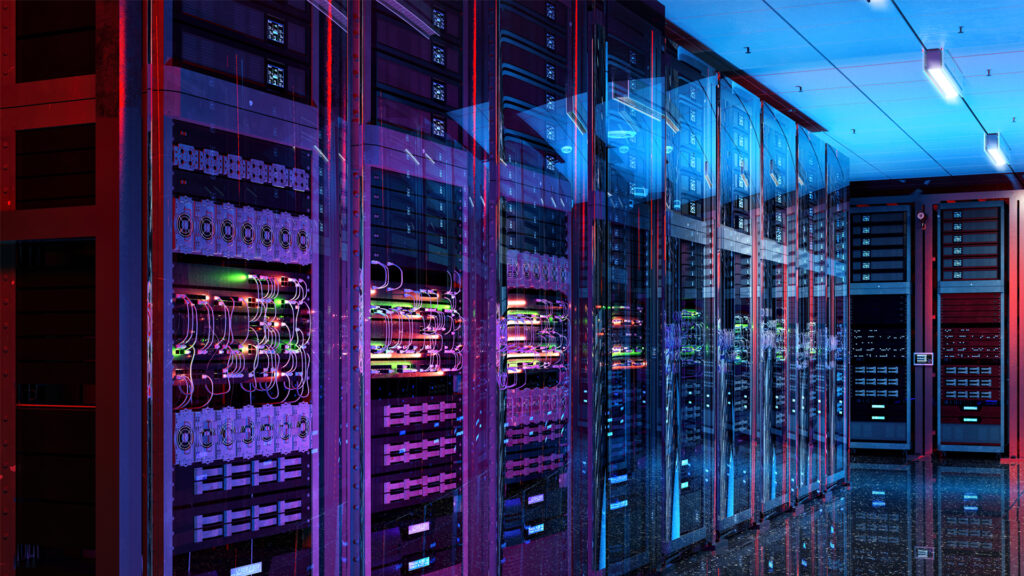
Let’s start with demand. Data centers powering artificial intelligence are devouring electricity at unprecedented rates. The Electric Power Research Institute estimates data centers could consume up to 9% of US electricity by 2030, double today’s consumption.
When ChatGPT answers your question, it’s using electricity. When your company adopts AI tools, they’re competing with your home for the same power grid.
Electric vehicles and heat pumps add to the squeeze. Every EV charging in a garage, every home swapping gas furnaces for electric heat pumps, they’re all pulling from the same strained system.
This isn’t bad, it’s progress. But progress without adequate planning means higher bills.
Natural gas isn’t cheap anymore
Your bill’s biggest killer might be what you can’t see: the fuel that generates your electricity. Natural gas prices are expected to rise significantly between 2024 and 2026 as American producers ship more overseas.
When Europe needed alternatives to Russian gas, U.S. liquefied natural gas exports surged. Great for geopolitics and American producers, brutal for your monthly budget.
Natural gas generates roughly 40% of America’s electricity. When fuel costs spike, utilities don’t absorb the difference; they forward the invoice to you.
Your grid Is falling apart
Infrastructure costs are the silent tax on your electric bill. Seventy percent of transmission lines are over 25 years old and approaching the end of their typical 50 to 80 year lifecycle, reports the Department of Energy. The average age of all installed infrastructure is about 40 years old.
Wildfires, hurricanes and ice storms each reveal infrastructure vulnerabilities that cost money to repair and more money to prevent next time. Every dollar eventually appears on customer bills, whether you live in disaster zones or not.

The renewable solution nobody talks about loud enough
Here’s what the energy industry doesn’t want you to understand: renewable energy plus storage is now dramatically cheaper than fossil fuels. In 2024, solar photovoltaics were on average 41% cheaper than the lowest cost fossil fuel alternatives, while onshore wind projects were 53% cheaper, according to the International Renewable Energy Agency.
But renewable energy alone won’t cut your bill. You need storage. Solar panels generate power during the day when demand is lower. Batteries store cheap daytime electricity for evening peaks when prices spike.
States building renewable energy plus storage today are positioning themselves for lower electricity costs tomorrow.
What you can do right now
You can’t control fuel prices or utility decisions, but you’re not helpless. Here’s your practical winter survival guide.
- Seal the leaks. Air leaks waste 20% to 30% of energy used for heating, according to the New York State Energy Research and Development Authority.
- Weatherstripping costs under $20 and takes minutes to install.
- Program your thermostat. Every degree you lower heating saves 1% on bills. A programmable thermostat automatically reduces temperature when you’re sleeping or away, potentially saving up to 10% annually, according to the Department of Energy.
- LED bulbs everywhere. If you haven’t switched every bulb to LED, you’re donating money to your utility. LEDs use 75% less energy than incandescent bulbs and last 25 times longer. The upfront cost pays back in months.

- Chargers, cable boxes, printers and devices draw power even when “off.” Smart power strips cut phantom load automatically. The average home wastes 5% to 10% annually powering devices nobody’s using.
- Check time of use rates. Many utilities offer lower rates during off-peak hours. Running dishwashers, washing machines and EV chargers overnight could cut costs by 5% to 10%.
- Insulation pays back. Attics lose the most heat in winter. Adding insulation typically costs one to four dollars per square foot and cuts heating costs 15 to 20%. Some utilities may offer rebates that cover part of the expense.
- Community solar programs. Can’t install rooftop panels? Community solar lets you buy into larger installations and receive credits on your bill. No installation costs, no roof required, just lower monthly payments.
The policy fight that actually matters
Individual action helps, but real relief requires policy changes. Congress eliminated renewable energy tax credits while electricity demand explodes; it’s like canceling road construction during a traffic jam.
Smart policy would restore tax credits for renewable energy and storage projects; streamline permits for all energy infrastructure, including solar, wind, nuclear and natural gas; upgrade transmission lines to move cheap power from where it’s generated to where it’s needed and support utilities shifting to fixed infrastructure charges instead of volatile fuel-based pricing.
Your next winter bill depends on choices made today

Electricity bills are rising because we’re asking a 40-year-old system to handle 21st-century demand using fuel with rollercoaster pricing. The solution isn’t returning to the past; it’s building the infrastructure that makes energy abundant and affordable.
Renewable energy plus storage delivers cheaper electricity. It’s not ideology, it’s math. States embracing this transition will see lower bills. States clinging to fossil fuel dependence will watch costs climb as global markets set prices.
This winter, weatherstrip your doors, program your thermostat and check time-of-use rates. But don’t stop there. Tell your representatives that energy policy should prioritize what lowers bills, not what sounds good in a campaign ad.
Your neighbor’s 40% increase isn’t the new normal unless we accept it. The technology exists to generate abundant, affordable electricity. The only question is whether we’ll deploy it fast enough to prevent next winter’s bill from being even worse.
Dr. Mark McNees is the director of social and sustainable enterprise at Florida State University’s Jim Moran College of Entrepreneurship, a keynote speaker and author of “The CEO’s Mindset Reset.” Banner photo: A row of electric meters (iStock image).
Sign up for The Invading Sea newsletter by visiting here. To support The Invading Sea, click here to make a donation. If you are interested in submitting an opinion piece to The Invading Sea, email Editor Nathan Crabbe at ncrabbe@fau.edu.
