


By the Orlando Sentinel Editorial Board
Florida’s towns, cities and counties have a lot in common with Floridians themselves: Some are tidy and quiet. Some are focused on fun. Some are struggling with big problems, and others are doing their best to make the world a better place.
Each community has its own character, priorities and challenges. But across Florida, most local governments have embraced the idea that careful planning is one of the best ways to create sustainable, balanced communities. They have moved away from the decades-old notion that any development is good development, and started to consider the long-term impacts of runaway growth on the area’s roads, schools, water supply, utility grid and other shared resources.
Nowadays, most Floridians don’t need someone to describe the benefits of good growth management to them. Florida voters make it clear, every time they get a chance, that they understand what sustainable development is. Local oversight isn’t always perfect. But leaders in the affected communities are far less likely to say yes to development when they should say no. Local leaders often do their best to preserve open space and defray the costs that new residents and businesses will inevitably bring. And they need local leaders who understand their needs, people they can run into at the grocery store or at church, people they can hold accountable.
But over the past decade or so, something has started to curdle in the upper reaches of state government. Florida’s state lawmakers — many of them former city and county leaders — are being courted by some of the state’s wealthiest landowners, development corporations and construction companies. They whisper in the ears of lawmakers that local officials can’t be trusted to know what’s best for their communities, and devise ways to strip away power from city and county leaders and the voters who elected them.
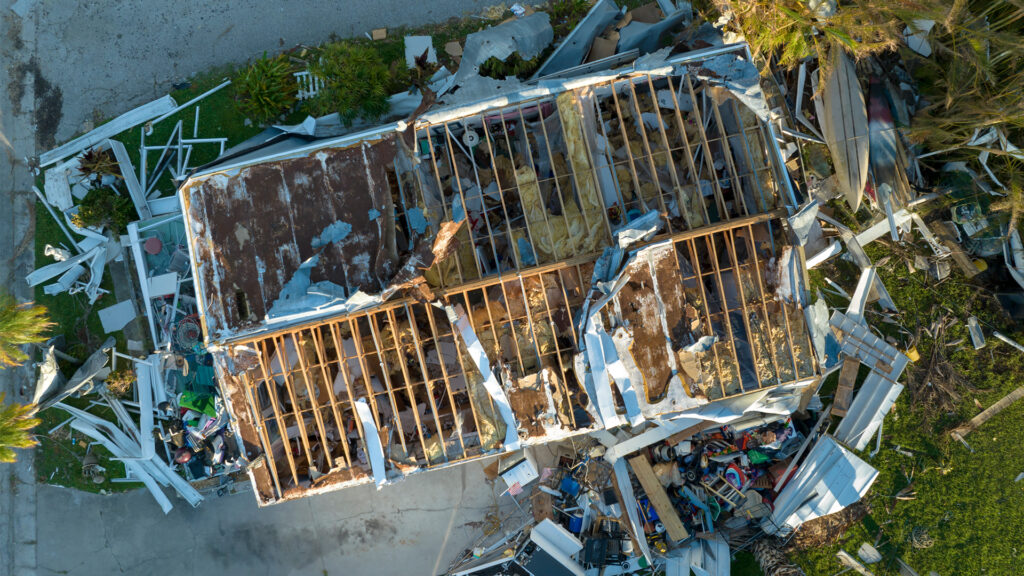
Over the years, they’ve passed some truly horrific laws, but many advocates of smart growth and local decision-making say things hit an all-time low last year with the passage of SB 180. The law claims to help ravaged communities recover from natural disasters. In fact, it does the opposite: First, it defines “disaster” so broadly that it covers every single county in Florida. Then, it bans local officials from adopting any growth regulations that could be considered “more restrictive” than rules already in place. That’s true even of adjustments that are meant to make communities more storm-resilient.
The legislation was irresponsible to start out with. But in the last days of the session, language was added to make local communities even more powerless over their own future growth. It still passed. But as the dust settled, many key lawmakers — including at least one sponsor of the original bill — realized things had gone too far. Promises were made to fix the damage done by SB 180 during this legislative session.
Fix one bad bill
We’re still not sure those promises will be kept. The Senate has made progress on legislation — SB 840 — that would restore some power to local officials (though it would not completely erase the pro-development provisions of last year’s law. But the House version — HB 217 — doesn’t come close to undoing the damage and there seems to be little interest in moving the legislation forward so that it can be amended to match SB 840. And lawmakers are running out of time. Even worse, Rep. Alex Andrade, R-Pensacola, filed legislation (HB 1465) that heads in the opposite direction — instead of fixing the problems created by runway development, it could make it even easier for developers to trample local rules.
Local leaders and Floridians who want a say in how their communities grow must speak up now — in force, and with urgency.
But they have more to worry about, because in addition to this much-needed fix, lawmakers have filed a new stack of bills aimed at gutting local control. And some of them make SB 180 look like an invitation to a tea party.
All-new threats
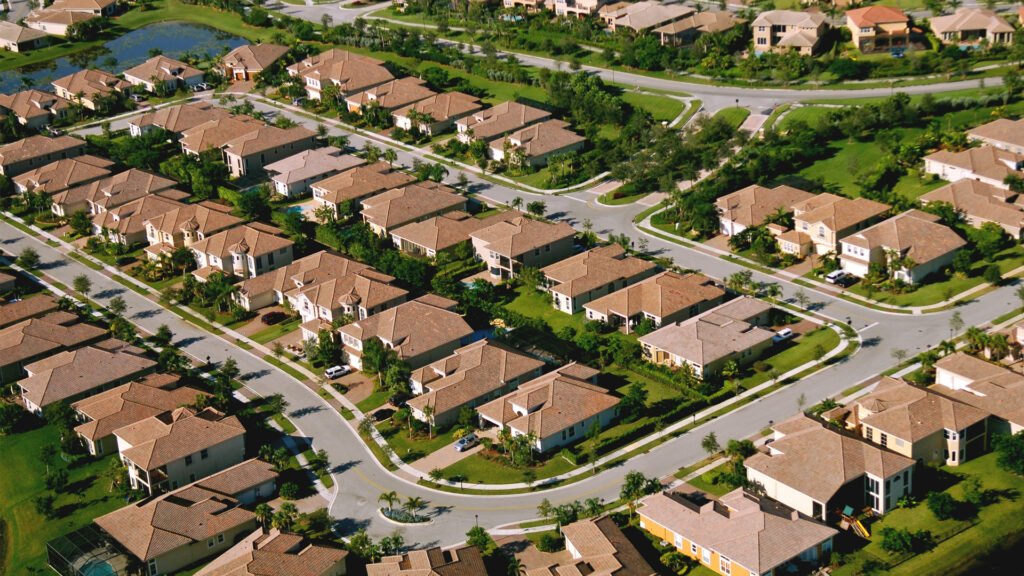
One (HB 299/SB 354) would give the green light to so-called “blue ribbon” projects in rural areas — allowing some of the state’s wealthiest land interests to drop projects that include thousands of houses, plus business and commercial development, miles away from the infrastructure they need to support them — and handcuff local communities from objecting or requiring comprehensive plan amendments. This is the very antithesis of responsible growth planning. And both bills have passed at least one committee.
Another (HB 105/SB 588) would hang an “oh sue me please” sign on the front doors of city halls and county administration buildings across the state, allowing developers to sue if they felt their plans were “unreasonably” denied, making it harder for local officials to defend their decisions and then sticking local taxpayers with the legal bills. The House version of the legislation has been amended to make it less troubling, and the Senate version hasn’t yet been heard. Lawmakers should let this one die.
We’re not quite as worried any more about a pair of bills (SB 208/HB 399) that as originally drafted included a provision that could invalidate voter-approved growth boundaries, including Seminole County’s. That language has been watered down to a study on the economic impact of such boundaries. But again, this is a state-down process passing judgement on a decision by local voters. There’s no good reason to pass it.
Despite the fact that the session is halfway over, Floridians should remain vigilant. The worst bills in any session often slip through right as things are wrapping up, when bills are passing at a clip too rapid for anyone to inspect them. The best defense here is to bombard lawmakers with the message that this state’s residents don’t want developers in control – and that they expect their voices to be heard.
The Orlando Sentinel Editorial Board consists of Opinion Editor Krys Fluker, Executive Editor Roger Simmons and Viewpoints Editor Jay Reddick. This opinion piece was originally published by the Orlando Sentinel, which is a media partner of The Invading Sea. Banner photo: Suburban homes in Southwest Florida (iStock image).
Sign up for The Invading Sea newsletter by visiting here. To support The Invading Sea, click here to make a donation. If you are interested in submitting an opinion piece to The Invading Sea, email Editor Nathan Crabbe.
