


By Tarryn Nichols, Florida Student News Watch
Kevin Guinn stooped to the ground to collect a smattering of soft black shards. A dirt-brown baseball cap reading “Carbon Based Farmer” shielded his tanned face from the brilliant April sun. As he stood, his sneakers sunk several inches into the pillowy earth.
“See that?” He said, smearing a thick streak of charcoal over the creases of his palm. “This black stuff is biochar.”
Behind him, glimmers of heat mirage radiated from sandy crop rows in one of several planted fields at Crone’s Cradle Conserve in Citra, a rural community situated between Gainesville and Ocala. The unincorporated town of about 6,000 was founded in 1881 in a citrus-growing district.
Despite the area’s agricultural reputation as “home of the pineapple orange,” fresh food is difficult for some residents to access.
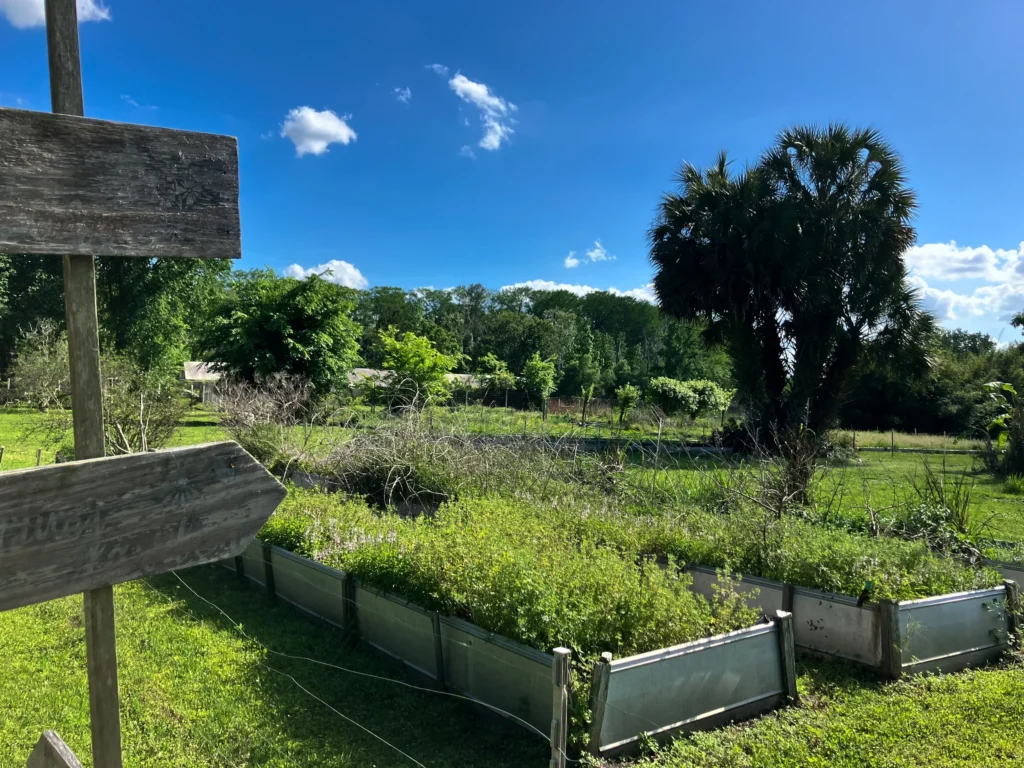
Crone’s Cradle serves an average of 50 shares per season through their Community Supported Agriculture (CSA) program in what Guinn calls a very large food desert. Watermelons, bok choy and purple cauliflower are some of the more than 60 edible species organically grown at the 756-acre non-profit farm and ecological preserve.
Biochar is a stable, carbon-rich solid that can be added to soil to improve the structure and overall productivity. It’s created through pyrolysis – burning organic matter while smothering it to prevent oxygen combustion.
The earliest known use of biochar dates back to the Amazon basin over 2,500 years ago. Swathes of lush tropical forest swallow the land, but the underlying clay soil is surprisingly infertile. Despite this, soil scientists in the late 19th century discovered patches of extremely rich, dark earth near human civilizations called terra preta, or “black soil” in Portuguese.
Indigenous people of this region in Brazil practiced “slash-and-char” agriculture, a sustainable technique used to create biochar from crop remains in oven-like mounds called earth covers. They cultivated this fertile soil over time by mixing charcoal, bones, pottery, compost and manure into the ground. To this day, terra preta remains one of the richest soils on the planet even with little to no added fertilizers.
The use of biochar experienced a modern resurgence a few decades ago when soil chemists realized its potential for improving soil health, Andrew Zimmerman said. Zimmerman is an organic geochemist at the University of Florida who specializes in carbon cycling, the study of how carbon moves through the Earth’s environment and living organisms.
“We can do this now,” Zimmerman said. “We can use this ancient technique to fight against climate change.”
Biochar is one method under the umbrella of regenerative agriculture that some farmers in Florida are beginning to adopt. The compound is most effective when combined and “charged” with nutrients from compost. If soil fertility improves, it reduces the need for synthetic fertilizers and pesticides while also helping crops flourish.
Cradling community
Guinn gestured to a section of chest-high slender green blades that gently swayed in the breeze. These tall grains are Wrens Abruzzi ryegrass, his go-to winter cover crop that will likely be roller crimped later to slowly release nitrogen into the ground.
It was planted in what Guinn called a “primo” Florida candler sand field with an unusually high ratio of fertile organic matter.
Before Guinn was hired to manage Crone’s Cradle in 2013, these sandy fields were undeveloped ground. He was able to organize and cultivate them himself while adding several crops to their list including watermelon, cantaloupe and strawberries. Unlike the rich, heavy soil of the farm’s original fields next to their country store down the road, Guinn said watermelon tastes sweeter when grown in a sand hill.
Cover crops are plants grown as living mulch to protect soil between the planting of cash crops. Unlike tilling, roller crimping with a blunt steel drum only partially kills the plants, so they don’t break down faster than they can disperse nutrients.
On the far side of the field clearing, a dump truck with a geranium red bed unloaded horse manure and wood shavings onto one of several long windrows, each the size of a trolley.
Horse farms in the area pay private companies to haul off tons of manure, who then pay Guinn to take the waste and compost it.
He has an agricultural business degree from the University of Florida that he said he now regrets.
“If I ever went back to college,” Guinn said. “I would be a soil scientist.”
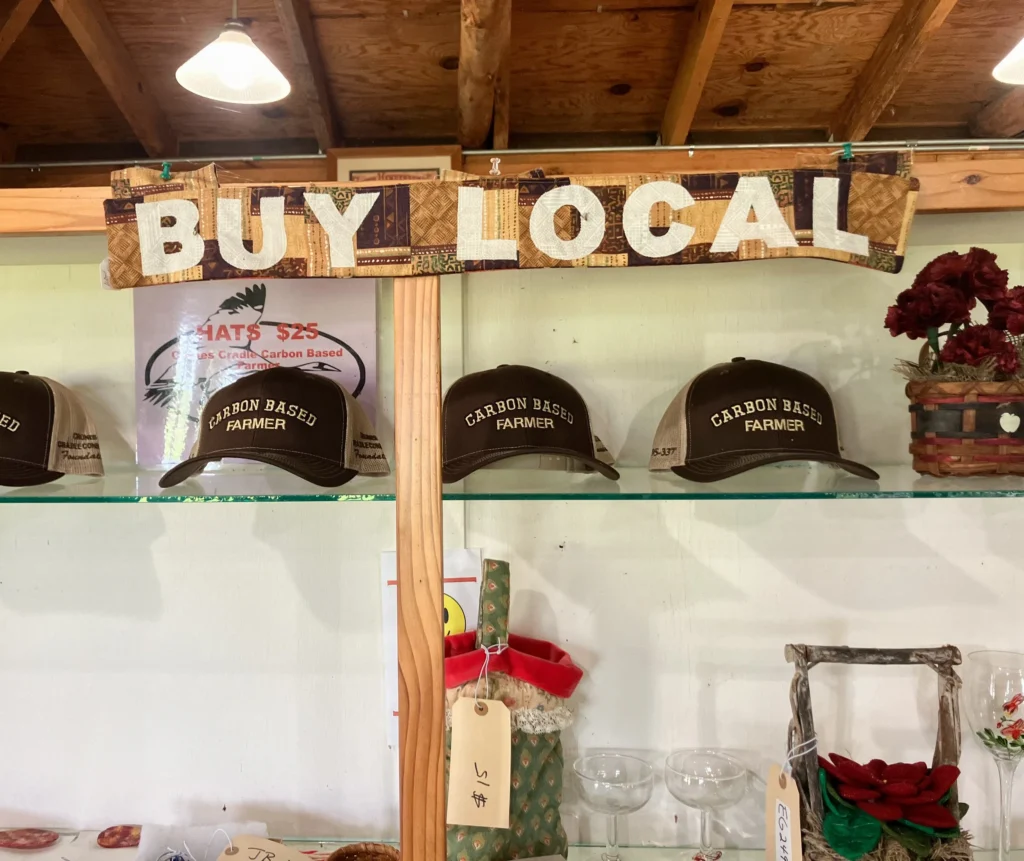
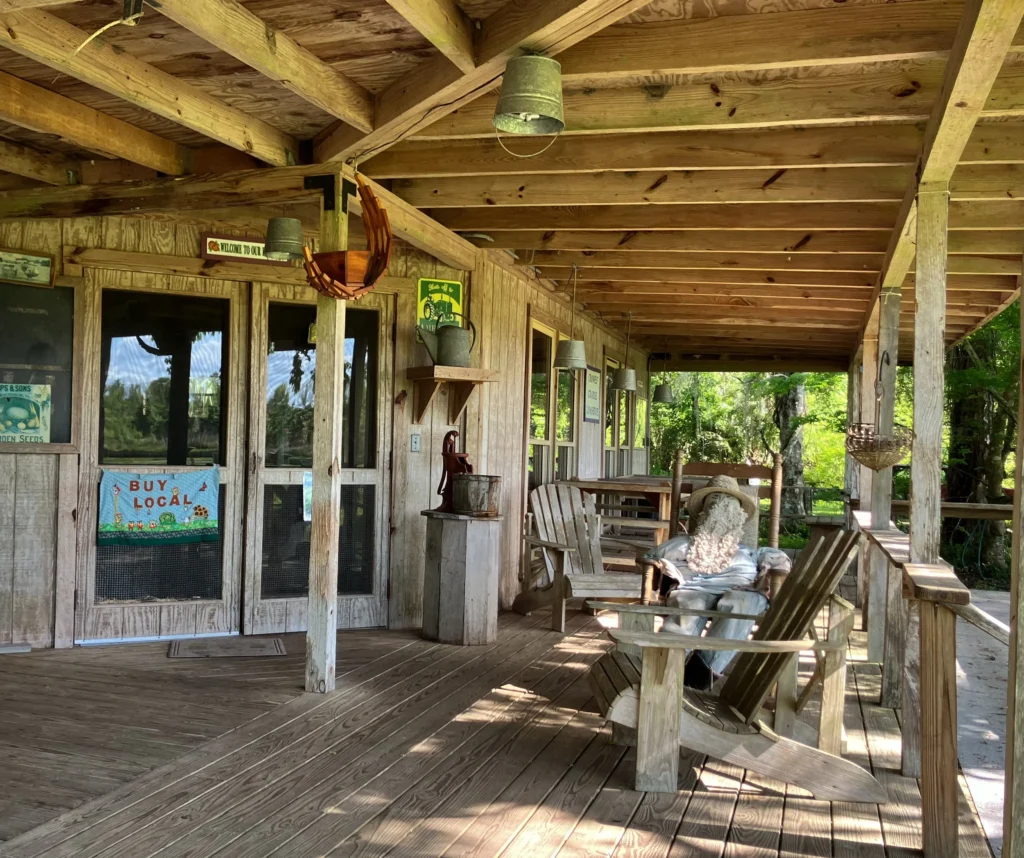
About 20% of Crones Cradle’s revenue comes from their country store, which sells fresh produce from refrigerated bins alongside Galberry honey, organic jams and handcrafted items made by local artisans. For Guinn, revitalizing local food systems is an integral part of restoring community self-reliance –– not just for what people eat, but in the art, tools and household items they use every day.
Guinn said the farm can serve more locals once they are authorized to accept Supplemental Nutrition Assistance Program (SNAP) benefits, given that many people in the surrounding area live below the poverty line.
Crone’s Cradle is exempt from heavy property taxing because of its non-profit status. This luxury of a guaranteed paycheck regardless of crop turn-out gives Guinn time to focus on educational programs, workshops and experimentation in the fields and greenhouse.
Other farms in Central Florida do not have the same financial safety net.
Guinn wouldn’t work for a private farm because crop losses from a hurricane or other circumstances make it hard for farmers to make ends meet. Farmers languish at the bottom of the supply chain hierarchy. They make much less money than the “middleman” brokers who sell their produce to grocery stores.
Florida farmers can sink their whole lives into the soil just to end up with only dirt in their pockets.
Tarryn Nichols is an undergraduate journalism student at the University of Florida. This story was edited by Florida Student News Watch mentor CD Davidson-Hiers. It was originally published at https://www.studentnewswatch.org/post/while-forecasting-is-improving-for-toxic-red-tide-southwest-florida-still-fears-economic-pain. Banner photo: Herbs and vegetables grow in April 2025 in the greenhouse on the farm Kevin Guinn manages (Credit: Tarryn Nichols).
Sign up for The Invading Sea newsletter by visiting here. To support The Invading Sea, click here to make a donation. If you are interested in submitting an opinion piece to The Invading Sea, email Editor Nathan Crabbe at ncrabbe@fau.edu.
