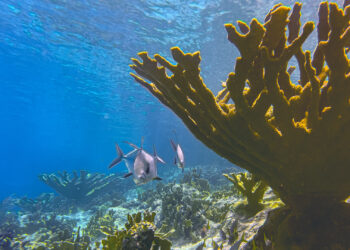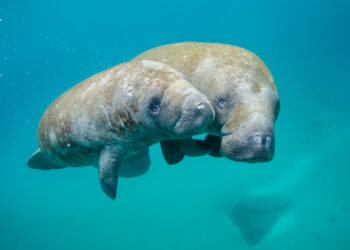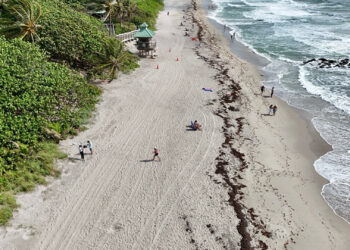
Marine microplastic pollution: How FAU science faculty, students are studying this problem
Microplastics are less than 5 mm in length, formed from the breakdown of larger plastics or produced for commercial use.


Microplastics are less than 5 mm in length, formed from the breakdown of larger plastics or produced for commercial use.
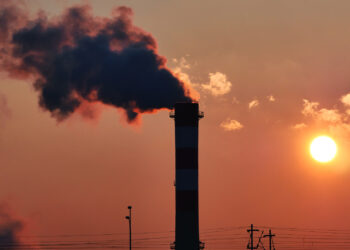
The co-founder of Noya explains ways to capture CO2 and how the company’s mission fits into the global economy.
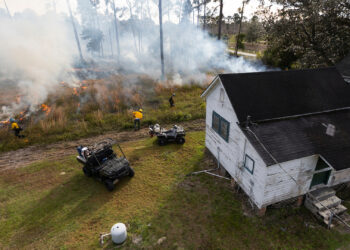
Every year, Florida conducts prescribed burns on more than 2 million acres – more than any other state.
The Southern Alliance for Clean Energy ranked Florida among the worst-performing states for utility efficiency programs.
American Conservation Coalition founder Benji Backer will be speaking at the UF Climate Communications Summit.
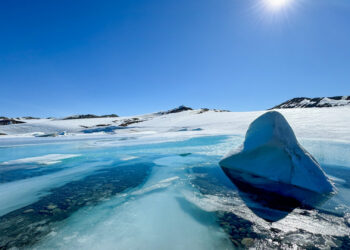
University of Miami scientists are studying the rapid loss of ice and its effect on the world’s climate.
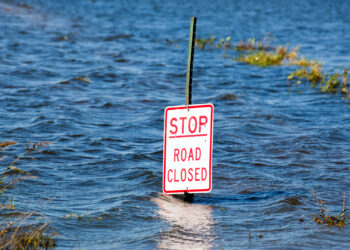
The research considers flooding impacts on vulnerable groups, including low-income, minority, disabled and elderly individuals.
Coral restoration should prioritize shallower depths with faster currents in low-nutrient environments.
The US Fish and Wildlife Service said the sea cows’ plight does not fit the definition of endangered.
The forum will feature a film screening and panel discussions at the Museum of Discovery and Science.