
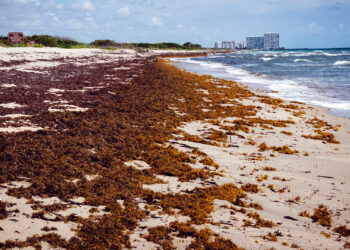
Massive Atlantic sargassum blooms traced to West Africa
Accumulations of sargassum have affected coastal ecosystems, fisheries and tourism in the tropical Atlantic.


Accumulations of sargassum have affected coastal ecosystems, fisheries and tourism in the tropical Atlantic.
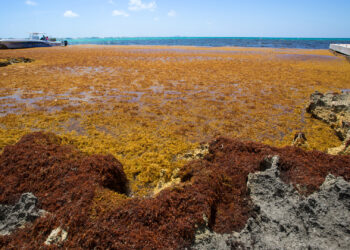
Blooms of macroalgae such as sargassum seaweed rose by 13.4% per year in the tropical Atlantic and western Pacific.
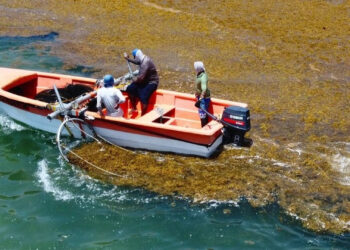
The Dominican Republic-based company collects sargassum seaweed and produces products from it.
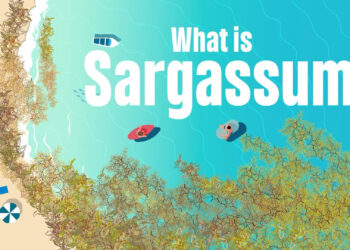
This bite-sized video provides information on sargassum seaweed and its impact on Florida's beaches.
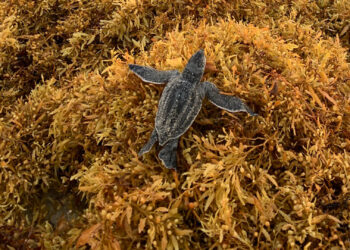
FAU researchers found hatchlings took significantly longer to crawl to the water when sargassum was present.
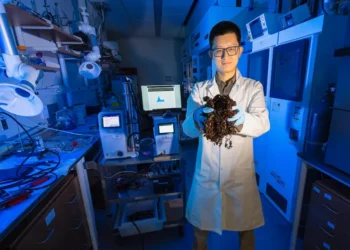
A University of Miami doctoral student is experimenting with sargassum to produce fluorescent carbon dots.
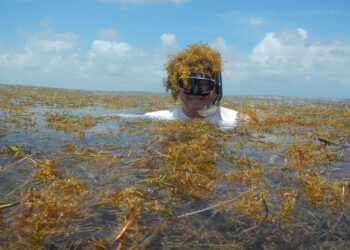
The review sheds new light on the origins and development of the Great Atlantic Sargassum Belt.
More than half a million Floridians work in ocean-related sectors, contributing nearly $40 billion to the state’s GDP.
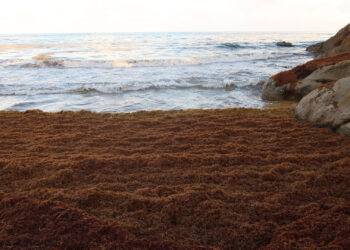
When the yellow-brown seaweed washes ashore, the decaying biomass harms people, marine life and economies.
China’s carbon emissions help fuel the proliferation of sargassum on Florida beaches, impacting tourism.