
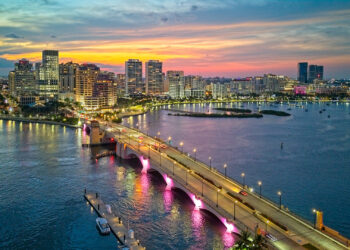
Author speaking on agriculture’s climate impact at South Florida summit
The 17th Annual Southeast Florida Climate Leadership Summit is being held in West Palm Beach.


The 17th Annual Southeast Florida Climate Leadership Summit is being held in West Palm Beach.

Orlando, Tampa and West Palm Beach among cities with the most students impacted.

A Climate Central analysis found spring temperatures rose by an average of 2.4 F in 234 US cities since 1970.
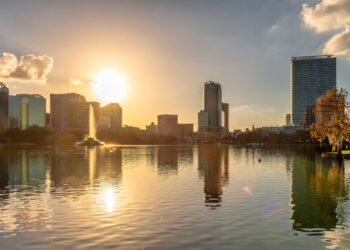
The urban heat island effect amplifies temperatures due to the built environment absorbing more heat than natural landscapes.
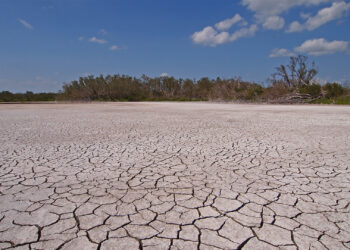
An increasing population, outdated infrastructure and severe weather from a warming climate are the formula for a water crisis.
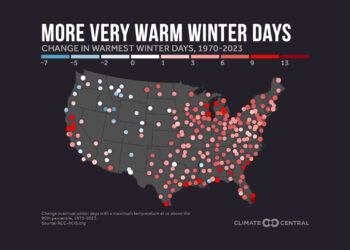
Miami and West Palm Beach were among the cities with the largest increase in unusually warm winter days since 1970.

The fossil fuel industry was a big player in Florida's recent legislative session.

The Climate Shift Index provides insight into the local climate of over 1,000 worldwide locations.
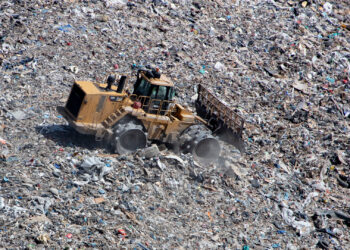
A leading source of U.S. climate pollution could be curbed with more gas-collection systems and better emissions monitoring, a new ...
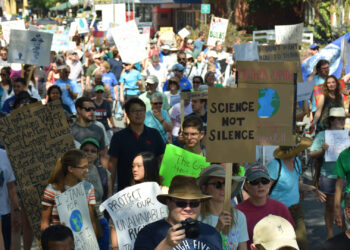
A variety of Earth Day events are being held across the Sunshine State this Saturday, April 22.