
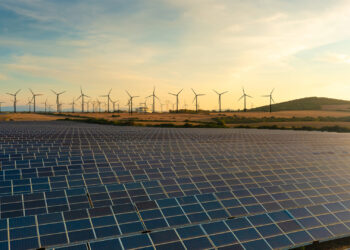
Renewable energy is cheaper and healthier – so why isn’t it replacing fossil fuels faster?
Regulatory inertia, political gridlock and a lack of investment are holding back renewable energy deployment.


Regulatory inertia, political gridlock and a lack of investment are holding back renewable energy deployment.

US emissions are down about 15% over the past 10 years, but new data centers have caused uncertainty ahead.
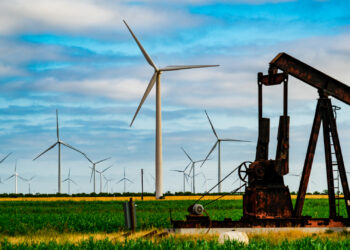
Polling reveals pragmatic conservative attitudes on renewable energy when economics takes precedence over ideology.
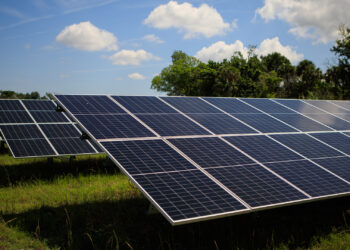
Today, the cheapest forms of electricity going onto the grid are solar, wind and batteries.

As rural America faces economic uncertainty and climate pressures, renewable energy offers a practical path forward.
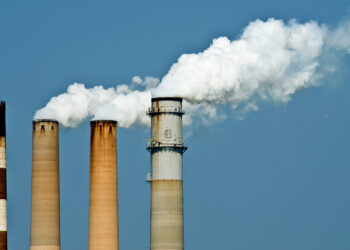
Pairing cuts to clean energy with support for fossil fuels makes the bill uniquely harmful.

Critics are calling it 'the most anti-environmental bill of all time.'

The US has the potential to catalyze new domestic supply chains for materials essential to national security and technology.
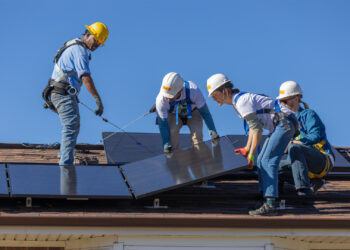
With political uncertainty under Trump, nearly $8 billion in clean energy projects have been scrapped or cut back this year.

Since 2023, solar and wind combined have added more new energy to the global mix than any other source.