


By Trimmel Gomes, Florida News Connection
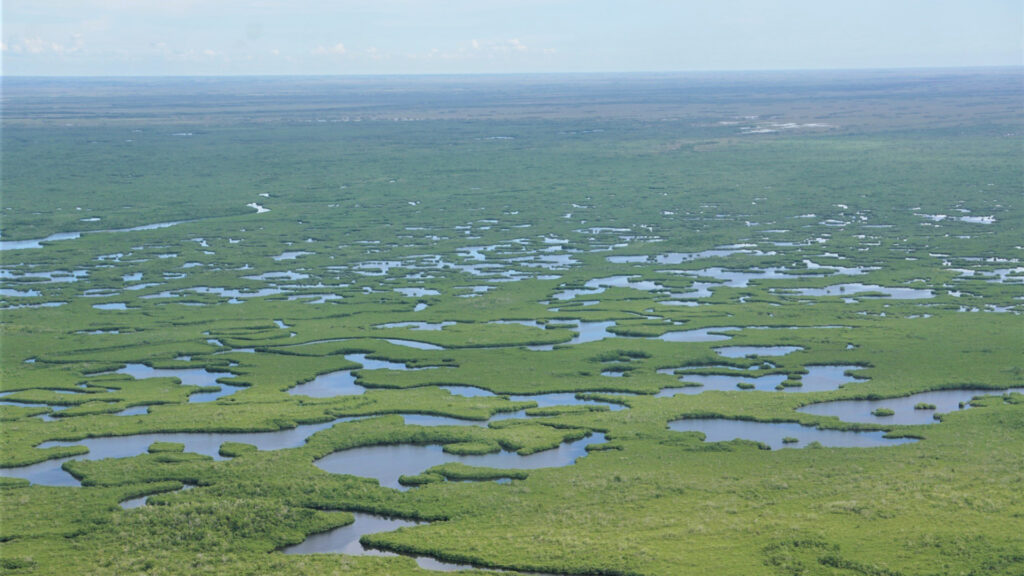
A new study shows vehicle pollution from Miami and surrounding areas is clouding the skies over Everglades National Park, cutting scenic views by nearly half and harming sensitive ecosystems.
Called “Driving Dirty Air,” the report identifies South Florida as one of 12 national “hot spots” where urban emissions disproportionately affect nearby parks.
Ulla Reeves, director of the clean-air program at the National Parks Conservation Association (NPCA), said the problem stems from a mix of pollutants traveling far beyond city limits
“It literally can travel hundreds of miles away,” Reeves said. “So, even though our study finds that these urban areas, with concentrated vehicle emissions, are having an outsized and disproportionate impact on particular national parks, the reality is that air pollution can travel very far and wide.”
The study analyzed the Environmental Protection Agency’s 2020 National Emissions Inventory and found Miami-area vehicles emit more than 33,000 tons of nitrogen oxides yearly. That’s equal to 30 coal plants, and contributes to haze that reduces visibility in the Everglades from 126 miles to 68.
Florida’s environmental agency reports ozone alerts in Miami have dropped 75% since 2020, although real-time state data show haze still affects parks such as the Everglades.
Mark Rose, a senior manager of the NPCA’s clean-air program, noted that climate change intensifies the threats, with rising seas and hurricanes compounding pollution’s damage to mangroves and wildlife.
“Pollution from vehicle tailpipes doesn’t follow park boundaries,” Rose said. “So, much of the pollution that we see is coming from these urban areas that can be hundreds of miles away from a park, but is traveling and then impacting air quality in the national park.”
The NPCA is urging public action against proposed federal rollbacks of clean-vehicle rules, with a comment deadline of Sept. 22.
Florida News Connection is a bureau of the Public News Service. Banner photo: Traffic into Miami at sunset (iStock image).
Sign up for The Invading Sea newsletter by visiting here. To support The Invading Sea, click here to make a donation. If you are interested in submitting an opinion piece to The Invading Sea, email Editor Nathan Crabbe at ncrabbe@fau.edu.
