


By the Orlando Sentinel Editorial Board
Just when you think things couldn’t get any worse, something smacks you upside the head and says, “When are you going to learn to stop thinking that?”
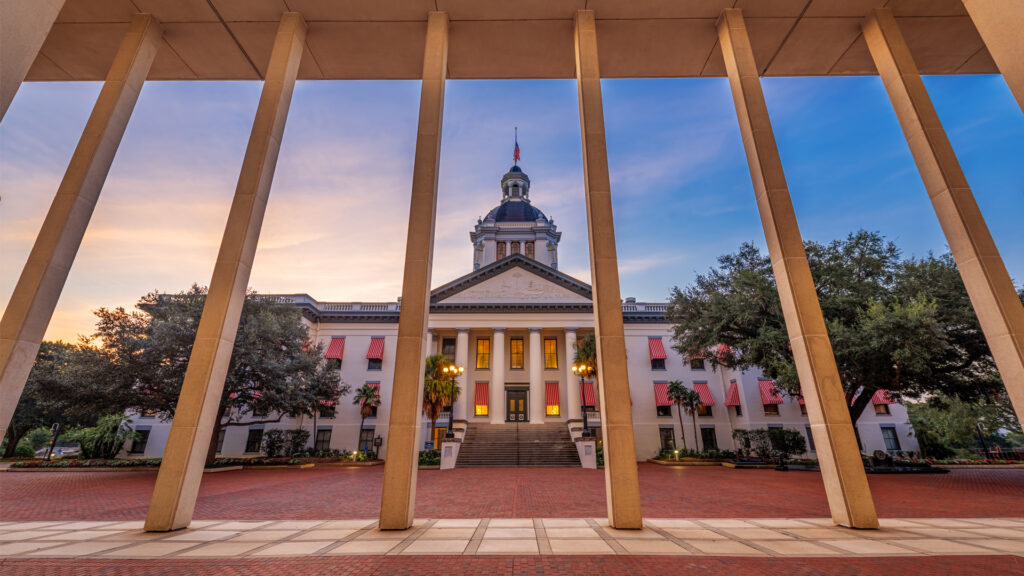
And so it goes with the Florida Legislature, which seems to be increasingly incapable of remembering the past or considering the future. That’s made apparent by the incessant efforts to return Florida to the days when developers built everywhere and anything they wanted. When wetlands were filled in and forests cut down. When mega-housing developments sprang up on land formerly occupied by ranches and pine plantations, far from schools, utilities and roads the new residents would need, with taxpayers helping to foot the bill for those connections. When stormwater dirtied by road runoff, failing septic tanks and fertilizer sullied crystal-clear rivers and lakes, and nobody cared.
It was a reckless, wasteful and environmentally disastrous way to handle state growth. Slowly and painfully, state leaders learned to recognize that — cheered on by their constituents, who don’t want to live in communities blighted by sprawl and surrounded by environmental wreckage. But if a handful of memory-deficient lawmakers get their way, Florida will be headed back to the dark ages where developers were able to pillage open land and pollute shared resources to their hearts’ content — and then traipse off to the next project, leaving Floridians trapped in endless traffic jams, paying for resources needed by people who are just arriving, while watching the state’s environmental treasures decay into lifelessness.
Adding insult to injury
This year’s assault may be worse than any year prior — which is surprising, considering that one top priority is an attempt to repair the damage done by one very bad piece of legislation passed in 2025. As in previous years, almost all the assaults on responsible growth management start with the premise that local government leaders can’t be trusted to guide (or even listen to) their own communities.
That’s a premise that responsible-development advocacy groups like 1000 Friends of Florida and thoughtful local officials are doing their best to expose as an illusion. This issue should resonate with Central Florida residents, who have enthusiastically embraced local smart-growth measures to prevent sprawl. In Orange and Seminole counties, voter-approved slow-growth zones are under threat — along with a movement growing among Lake County leaders to better plan for future growth.
With no further ado, here are the worst growth bills under consideration this year — with the caveat that last-minute amendments can always make a bad bill even worse. And as you look through these bills, note how many are aimed at stripping any control over development away from county and city officials and their constituents, who often turn out by the dozens or hundreds to protest developments they’re opposed to. The legislators behind these bills say they offer a chance for high-quality development to clear barriers, but ask yourself this: If the projects that would come forward as a result of these bills were so beneficial, wouldn’t a careful, community-based review reveal that?
The bad and the ugly
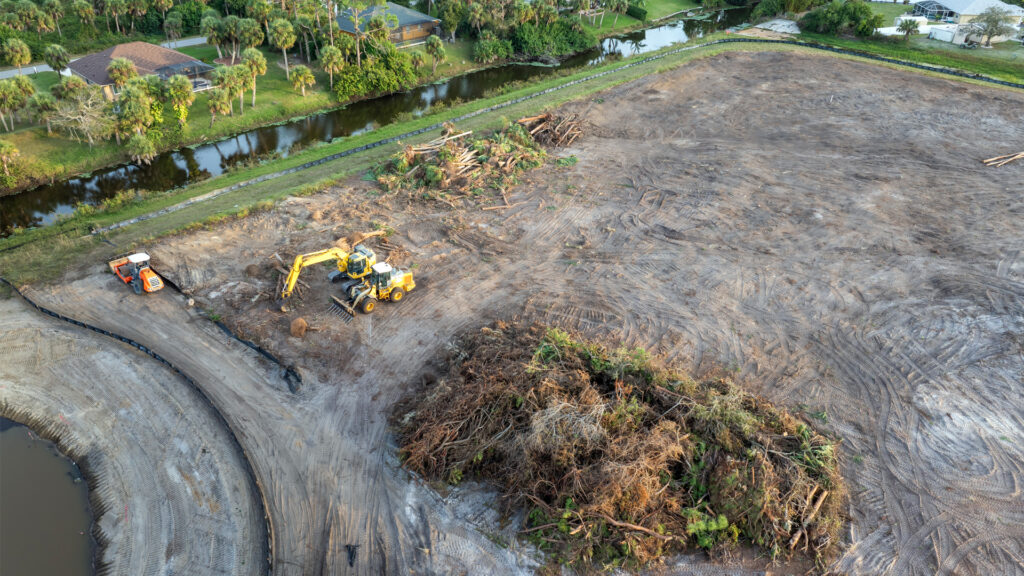
Goodbye forests and fields, hello new cities (HB 299/SB 354): This bill would grease the skids for mega-developments of more than 15 square miles, giving counties and municipalities just 60 days to review plans and raise any objections for so-called “blue-ribbon projects” before they are automatically approved. The bill’s supporters say it’s intended to foster a new kind of master-planned, environmentally conscious development where more than half the land is set aside for conservation, but that’s no buffer against the damage done by plopping brand-new cities in the midst of rural land (and let’s face it, rural areas are the only places with enough open land for a development of this size. And it’s ludicrous to expect a local government to effectively review a plan that will grant development rights for 50-75 years in less than two months.
Sprawl by any other name (SB 208/HB 399): This bill purports to encourage so-called “infill development,” which is a problematic term in and of itself. While it suggests the idea of redeveloping under-utilized land or reviving blighted parts of existing cities by building on small parcels that are surrounded on every side by existing buildings, the boundaries this bill would set go far beyond that definition — projects could be up to 100 acres and only partly bordered by already-developed land. Like the instant cities bill, these projects would be insulated from the kind of review that matters the most: The careful consideration of local elected officials and members of the public, who would not even have a chance to comment on projects that meet the vague criteria described in this bill.
Stand by for environmental devastation (HB 479/SB 718): Among all the bad-growth bills that have surfaced this year, this one is the most transparent about its intent: Let developers have their way and to hell with the consequences for Florida’s lakes, rivers, air and land. It does its dirty work by kneecapping city and county officials, who would be barred from “adopting laws, regulations, rules, or policies relating to water quality or quantity, pollution control, discharge prevention or removal, or wetlands and preempts such regulation to the state.” This could preclude a city from saying no to a project that threatened the water quality of a treasured local river like the Wekiva. In fact, it’s written so broadly that it could strangle some of the state’s biggest restoration projects —- including the fight to save the beautiful but troubled Indian River Lagoon, which stretches 156 miles from Volusia to Palm Beach county. The lagoon is the most biologically diverse estuary on the nation’s east coast, but the manatees, birds and fish that call it home are suffering dramatically from the death of seagrass and the abundance of noxious algae that thrive on polluted water. Cleanup efforts — including efforts to reduce the amount of sewage, fertilizer and petroleum products being rinsed into the lagoon — are heavily dependent on cities and counties. If this bill is as broad as it looks, it could also wipe out local protections for wetlands, and ordinances that encourage a reduction in the use of fertilizers.
This is no joke
Each of these bills is so bad that it’s almost tempting to consider them jokes — far too extreme to gain a foothold in the Legislature. Unfortunately, the lessons of 2025 prove that a handful of sellout lawmakers will stop at nothing to clear the way for unchecked profiteering at the expense of Florida communities. Last year saw the introduction of an odious bill known as SB 180, which cloaked itself in the guise of storm recovery but in reality, made it far easier for developers to get permits to bulldoze and build — even in rural areas that local voters had marked as off-limits to intensive development. The bill’s House and Senate sponsors have said they recognize that this legislation went much too far. But the “fixer” bills that have been filed to date don’t undo all the damage this legislation represents. Lawmakers should repeal SB 180 altogether, and come back with a more sensible law whose benefits are carefully tailored to allow the repair of storm-damaged buildings — but nothing more.
This year, no legislator can claim ignorance. These bad bills — and a handful of others — represent the worst kind of nostalgia, a push to return to a time when developers could bulldoze trees and fill in wetlands to build their monuments to greed. Floridians now understand that they are fighting for the last scraps of natural Florida, and they should let their legislators know they expect at least as much from their elected representatives.
This opinion piece was originally published by the Orlando Sentinel, which is a media partner of The Invading Sea. The Orlando Sentinel Editorial Board consists of Opinion Editor Krys Fluker, Executive Editor Roger Simmons and Viewpoints Editor Jay Reddick. Banner photo: Development in Florida (iStock image).
Sign up for The Invading Sea newsletter by visiting here. To support The Invading Sea, click here to make a donation. If you are interested in submitting an opinion piece to The Invading Sea, email Editor Nathan Crabbe.
