
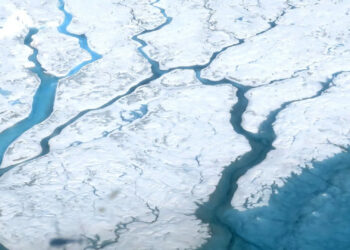
Climate tipping points sound scary, especially for ice sheets and oceans – here’s why there’s still room for optimism
Every fraction of a degree in warming that humans prevent reduces the risk of runaway climate conditions.


Every fraction of a degree in warming that humans prevent reduces the risk of runaway climate conditions.
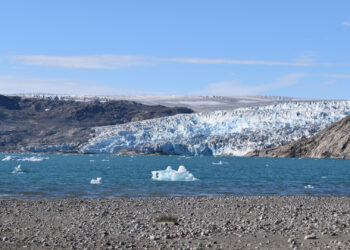
The collapse of the ice sheet and the AMOC ocean current could wreak havoc on Florida’s coastline.
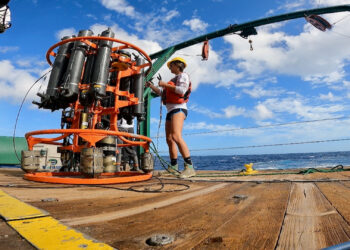
The findings are critical to understanding the future behavior of the AMOC, which plays a significant role in regulating climate.
More rapid melting of the ice sheets will accelerate further disruption of the climate system.
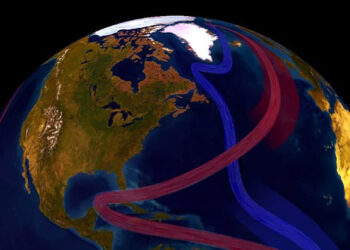
An AMOC collapse would lead to warmer ocean temperatures and greater sea level rise along the East Coast.

The study challenges previous assertions of a Gulf Stream slowdown.

A critical piece of Earth’s global system of ocean currents has weakened by about 12% over the past two decades.
The Atlantic Ocean’s circulation could hit a tipping point as the planet warms and glaciers and ice sheets melt.

The Atlantic Meridional Overturning Circulation is a system of ocean currents that circulates water within the Atlantic Ocean.
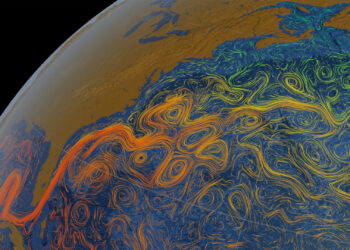
One potential consequence of a weakening Florida Current could be higher sea levels, more sunny-day flooding in Miami.