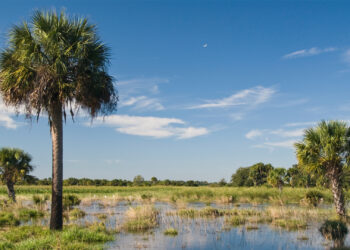
Conservation groups slam Supreme Court ruling on wetland protections
Conservation groups say that the court's ruling puts up to 80% of U.S. wetlands at risk for pollution and development.


Conservation groups say that the court's ruling puts up to 80% of U.S. wetlands at risk for pollution and development.

A new study concluded that in 50 years, the Cape Sable seaside sparrow could disappear from coastal nesting grounds.
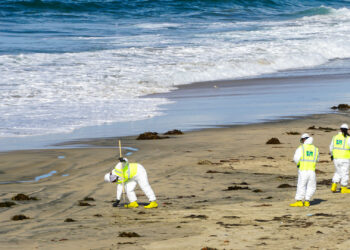
By Jerry Anderson, Drake University It’s expensive to pollute the water in Colorado. The state’s median fine for companies caught ...
By Wayne Mills, former board chairman of the Chesapeake Bay Foundation Congress passed the Clean Water Act in 1972. Congress ...
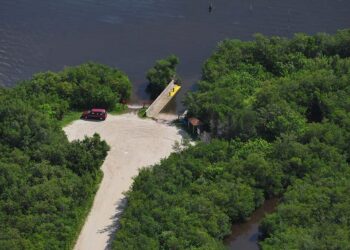
By Richard Baker, Pelican Island Audubon Society Florida’s Department of Environmental Protection wants to take over wetlands permitting from federal agencies ...

By Carl Hiaasen, Miami Herald Columnist One of the only positive things about having Rick Scott in Washington is that ...
By Peter Barile, American Water Security Project Onlookers recently were shocked as thousands of fish and rays swam to the ...
By Jenna Stevens and Darren Soto From our wetlands to our springs to our incredible River of Grass, access to pristine ...
By Will Charouhis, Forces of Nature This month we celebrated the 50th anniversary of Earth Day. But it didn’t feel ...