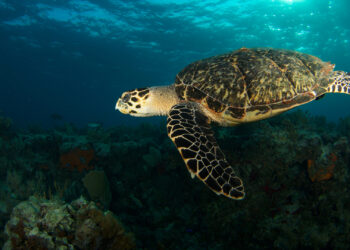
Tropical species are moving further from the equator as seas get warmer
Tropicalization is a global trend, fueled by climate change-induced increases in sea temperatures and marine heatwaves.


Tropicalization is a global trend, fueled by climate change-induced increases in sea temperatures and marine heatwaves.
We must pursue bold action on climate change to protect our oceans in the next few decades.
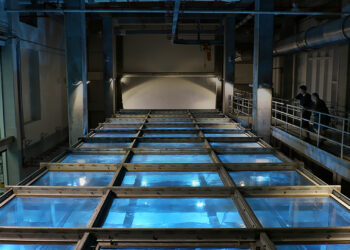
Researchers in Florida are testing an artificial reef planted with live corals.
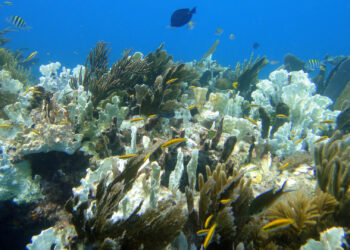
According to the report, coral reefs provide $9.9 trillion of economic value each year.
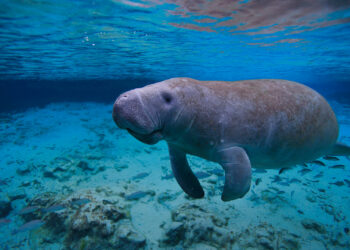
Biologists experimented with feeding lettuce to Indian River Lagoon manatees as their natural food source, seagrass, declined.

The Endangered Species Act is having a midlife crisis of sorts at 50 years old, particularly in Florida.
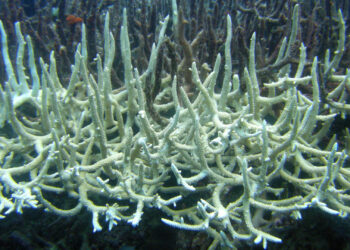
The restoration team commenced its month-long program on Oct. 30, reintroducing about 360 corals on the first day.
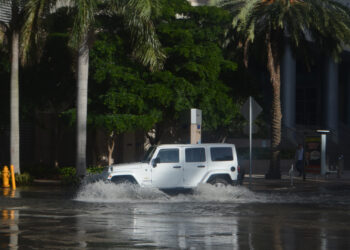
King tides have been supercharged by sea-level rise in recent decades, which has pushed the tides further inland.
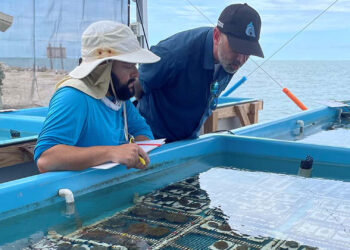
Unprecedented heat waves this past summer caused one of the largest coral bleaching events in history.
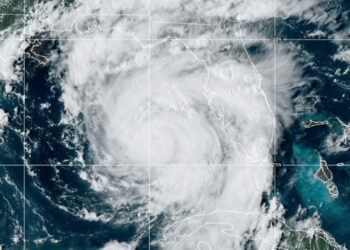
Already, 2023 is an active year for hurricanes, with seven more named storms than normal through Oct. 11.