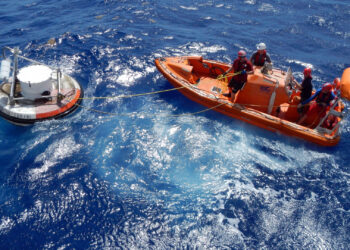
This NOAA office saves lives. Its funding is at risk
NOAA’s Office of Oceanic and Atmospheric Research is the research backbone of the forecasts and warnings Americans rely on.


NOAA’s Office of Oceanic and Atmospheric Research is the research backbone of the forecasts and warnings Americans rely on.

Fisheries scientist Holden Harris reflects on being fired from NOAA and what the loss of public science means.

Pollution from burning fossil fuels is warming the atmosphere at alarming rates and ratcheting up extreme weather.

Estimate are probably a best guess from someone whose primary job is weather forecasting.

Artificial intelligence can analyze weather data, providing recommendations to authorities on emergency response efforts.
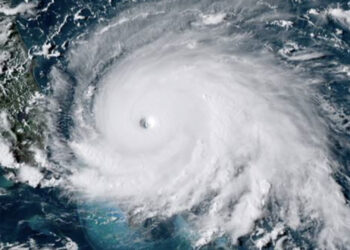
Warmer Atlantic and Gulf waters are driving stronger, more destructive hurricanes.
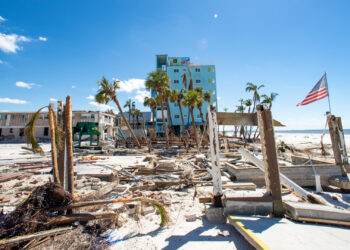
The amount of damage from climate and weather disasters is directly related to the amount of fossil fuel emissions.
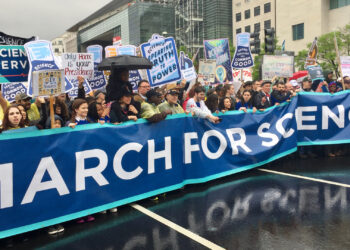
Polling shows that nearly 80% of voters want government agencies to keep researching and sharing global warming data.
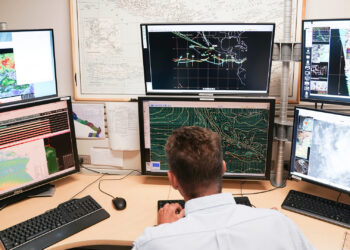
A mass exodus now forces the NWS to meet its public safety mission in a more stressful, turbulent environment.

NOAA Hurricane Hunters gather crucial data that is used to improve forecasts, but have faced budget cuts.