


By Haley Busch, 1000 Friends of Florida
I grew up swimming in North Central Florida’s springs, driving past cattle ranches and longleaf pine forests, and believing that some parts of this state would always feel like “Old Florida.”
Over the past few decades, I’ve watched that Florida shrink.
Pastures have turned into subdivisions. Two-lane rural roads now carry bumper-to-bumper traffic. Places that once felt open and quiet feel permanently crowded.
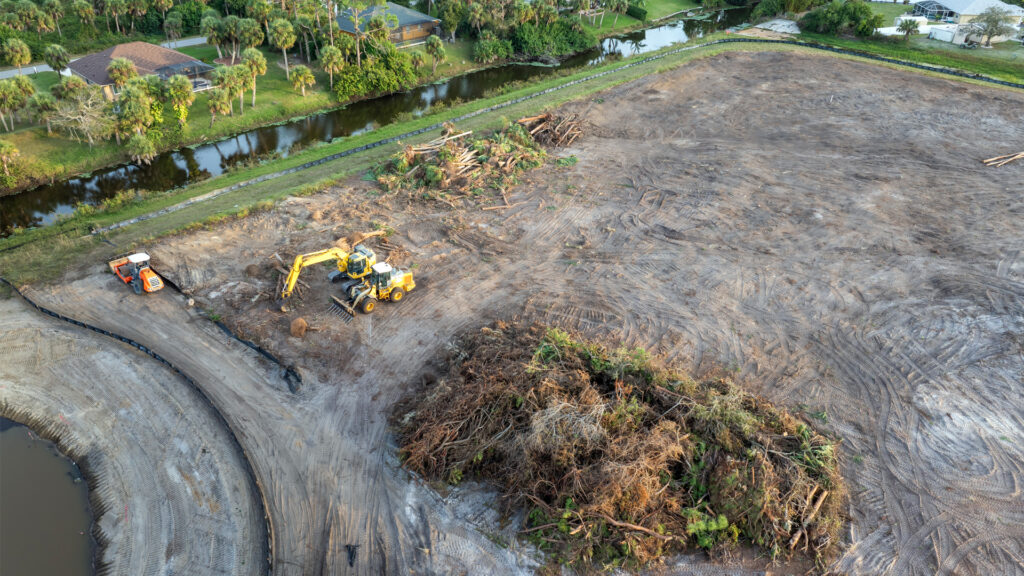
So when I read Senate Bill 354 — the so-called “Blue Ribbon Projects” bill — I felt a familiar knot in my stomach, because this bill would make it easier to turn thousands of acres of rural Florida into sprawling development with less public review than a typical subdivision.
Under the proposal, developments of 10,000 acres or more could move forward through an expedited, largely administrative process — even if they conflict with a community’s comprehensive plan or are miles from existing infrastructure.
At the densities allowed under the bill, one of these projects could add tens of thousands of new residents. That’s not a neighborhood. That’s a new city.
And yet, under this bill, that new “city” could receive less scrutiny than a 50-acre project.
The ‘conservation’ claim
Supporters of the bill say it requires 60% of the land to be set aside as “reserve.” That might sound reassuring, until you read the fine print.
The bill allows “reserve” land to include stormwater ponds, utility corridors, lakes and other infrastructure. There is no clear requirement that the land be permanently preserved for conservation.
Opening up 10,000 acres of rural land to development in exchange for labeling part of it “reserve” is not a conservation victory. It’s a trade that permanently changes landscapes that took generations to shape.
We already know how to plan for growth
Here’s what’s most frustrating: Florida already has tools to plan for large-scale development.
They’re called sector plans. They allow major landowners to coordinate long-term development — but with public participation and final decisions made by locally elected officials in public hearings. That process ensures growth aligns with a community’s vision, decided by the people who live, work and play there.
SB 354 – and its House companion, HB 299 – bypass that framework.
It overrides local comprehensive plans and zoning. It removes the long-standing requirement to demonstrate a need to expand development beyond existing urban services. It limits meaningful public input.
In short, it takes decisions about rural land out of the hands of the communities that live there.
Rural Florida Is not empty space
When I think about North Central Florida, about springs like Ichetucknee and Gilchrist Blue, about working ranches and pine flatwoods, I don’t see empty land waiting to be filled.
I see land where water recharges our aquifer.
I see habitat that connects wildlife corridors.
I see communities that rely on thoughtful planning to protect what makes them unique.
Floridians are already exhausted by poorly planned development — by rising insurance costs, congested roads, overwhelmed infrastructure and disappearing natural lands.
Fast-tracking 10,000-acre mega-projects without full local review won’t solve those problems. It will deepen them. That’s why the Blue Ribbon Projects bill is so troubling.
A development larger than many Florida cities deserves more scrutiny, not less. And the first choice for meeting the urgent need for more affordable housing in Florida should be in or close to urban areas with the infrastructure in place to accommodate it, not properties that are miles and miles away.
Once rural land is paved over, it doesn’t come back. Springs don’t get clearer. Traffic doesn’t magically ease. Wildlife corridors don’t reconnect themselves.
If we care about protecting our springs, our ranchlands and the character of rural communities, we cannot fast-track their disappearance.
Haley Busch is communications and outreach director for 1000 Friends of Florida, a statewide not-for-profit organization that focuses on saving special places and building better communities across our rapidly growing state. Banner photo: A housing development being built in Florida (iStock image).
Sign up for The Invading Sea newsletter by visiting here. To support The Invading Sea, click here to make a donation. If you are interested in submitting an opinion piece to The Invading Sea, email Editor Nathan Crabbe.
