


By J.P. Brooker, Ocean Conservancy
It’s becoming a regular rite of spring.
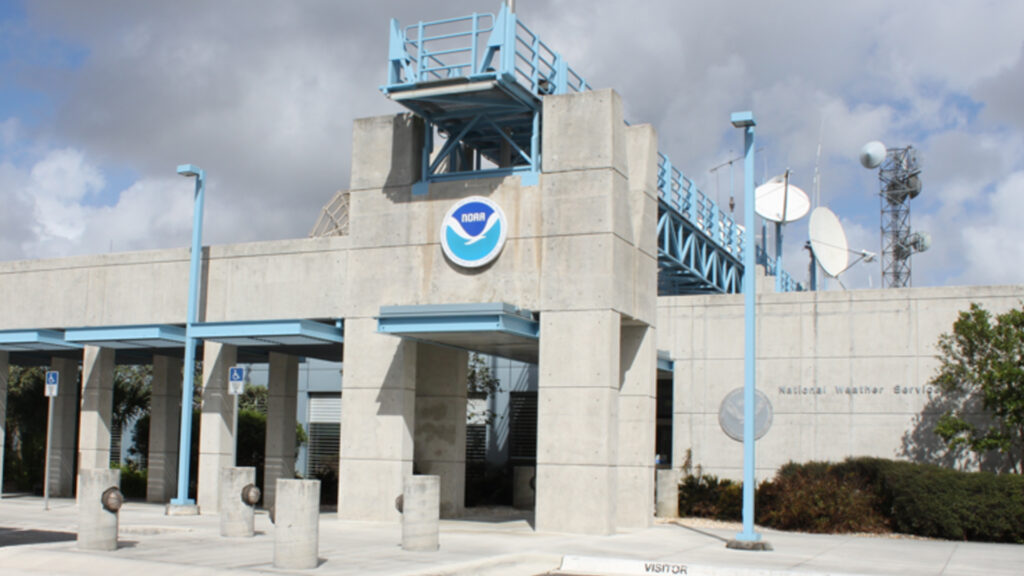
Floridians start buying batteries, flashlights and other supplies for the coming hurricane season — and the Trump administration proposes devastating spending cuts to the National Oceanic and Atmospheric Administration. That’s the very federal agency whose work is essential to keeping us safe from major storms, preserving millions of jobs and protecting billions of dollars in economic impact in Florida.
Last year, Congress fortunately recognized that NOAA performs an essential, nonpartisan service that cannot be outsourced. It rejected many of the cuts to NOAA that had been proposed by the president’s budget for fiscal year 2026 and embraced the agency’s central mission with strong bipartisan support.
Yet the Trump administration’s budget proposal for fiscal year 2027 is once again calling for indefensible spending cuts that would cripple the agency and put NOAA programs at risk that are vital to protecting our safety and our economy.
Once again, both Republicans and Democrats in Congress are going to have to step up and protect the agency that protects all of us.
Floridians are probably most familiar with NOAA’s role in providing a life-or-death defense from major storms through its hurricane science and forecasting. Among the key services at risk of funding cuts:
- The Atlantic Oceanographic and Meteorological Laboratory in Miami, a top-tier research lab that studies hurricanes, coastal ecosystems, oceans and human health. Its work is critical for weather forecasts and understanding severe storms that threaten Florida.
- The Cooperative Institute for Marine and Atmospheric Studies, which is the technical backbone for the National Hurricane Center and other agencies. It hosts more than 100 researchers at the University of Miami’s Rosenstiel School of Marine, Atmospheric and Earth Science and nine other universities in support of predicting hurricanes and forecasting ocean conditions such as harmful algal blooms.
- The Integrated Ocean Observing System, which provides real-time ocean data across both the Gulf and the Atlantic. That includes 2,000 sensors in the Gulf plus water-level stations as well as storm-surge and extreme rainfall alerts in the southeast Atlantic.
Cuts to these critical services would weaken NOAA’s ability to do its essential work and put all Floridians at greater risk. They would not save money; they would cost money by leaving families, businesses and local governments less prepared for approaching storms.
With our recent experience with hurricanes Helene and Milton, we all know the devastating losses that can occur even when we have done all we can to prepare and how much worse it can be if we are not well-informed and ready.
Moreover, NOAA’s impact in the state extends far beyond hurricanes. Its services are essential to protecting our precious natural resources and tourism-driven economy. Among the other NOAA programs at risk from the administration’s proposed cuts:
- The National Marine Sanctuary System, including the Florida Keys National Marine Sanctuary, which safeguards iconic marine habitats, supports tourism and recreation, and protects fisheries that are linchpins to local economies.
- Fisheries science and management, which sustains Florida’s $13.8 billion fishing industry.
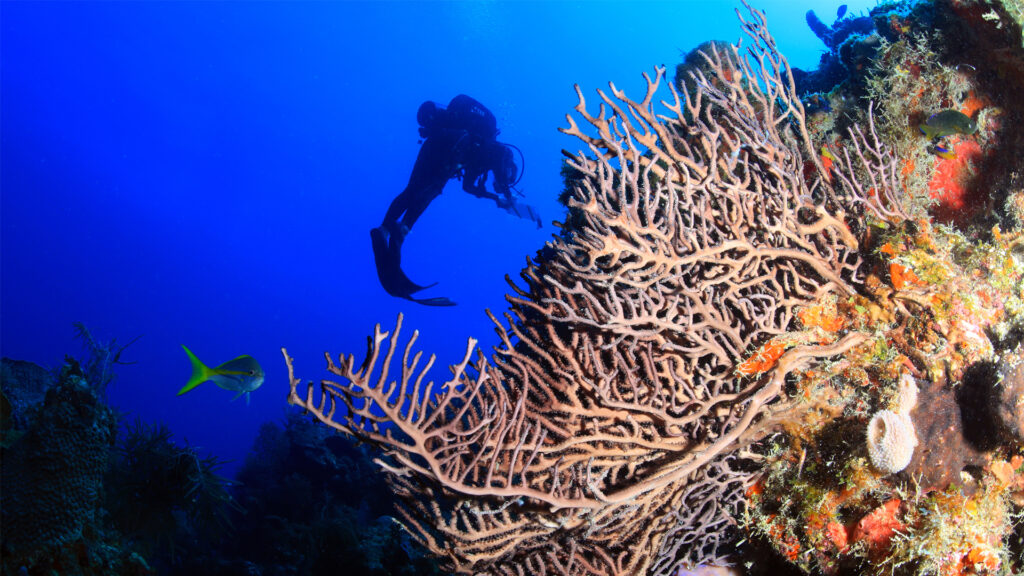
- The Coral Reef Conservation Program, which conserves and restores reefs that safeguard our coasts and support vital systems like fisheries that provide food and recreation as well as coral research that advances groundbreaking medical technology. It also provides major support for restoration and protection of Florida’s Coral Reef.
- State-federal-academic partnerships that supercharge NOAA’s impact. For example, the Florida Flood Hub for Applied Research and Innovation at the University of South Florida uses NOAA data to advance flood forecasting and resilience planning which are critical to prepare for storm surges and flooding.

Of course, the impact of reckless budget cuts to NOAA would extend beyond Florida to the rest of the nation. NOAA’s fire weather forecasts are critical to fighting wildfires in the West. Its information is essential to dealing with flooding in the Midwest and snowstorms in the Northeast. And its weather forecasting and navigation services are critical to all aspects of transportation, from keeping aviation safe to moving cargo into ports.
But nowhere is NOAA more important to preserving environmental resources, the economy and public safety than Florida. The administration’s proposed budget cuts would put all of that at risk
It’s up to Congress to once again do the right thing, reject those spending cuts, and adequately fund a federal agency that saves lives and supports livelihoods in the Sunshine State.
Jon Paul “J.P.’’ Brooker is Ocean Conservancy’s director of Florida conservation. He is a sixth-generation Floridan, an environmental lawyer and avid diver, surfer and fisherman. He lives in St. Petersburg. Banner photo: St. Petersburg homes destroyed by storm surge from Hurricane Milton in 2024 (iStock image).
Sign up for The Invading Sea newsletter by visiting here. If you are interested in submitting an opinion piece to The Invading Sea, email Editor Nathan Crabbe.

I must be political in my response… trump is our Republican president and our Republican reps. are not doing their job. They should be standing up to the pres. but seem to be too afraid of trump to go against his plans no matter how destructive they may be to our home. All trump seems to do is cut benefits to the commoner so he can give money to his pitiful supporters or build shrines to himself.