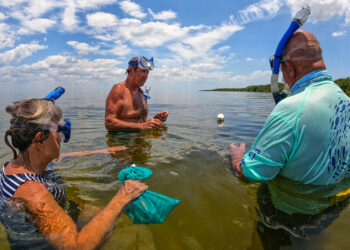
While volunteers keep an ‘Eye on Seagrass,’ Florida Sea Grant launches new website for the citizen science program
Seagrasses stabilize shorelines, sequester carbon and act as a food source and a habitat for important fish species.


Seagrasses stabilize shorelines, sequester carbon and act as a food source and a habitat for important fish species.
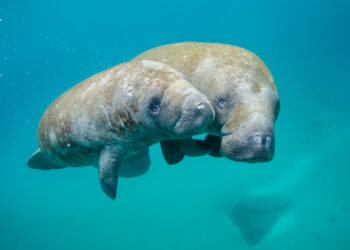
The Florida Fish and Wildlife Conservation Commission reported that 431 manatees died across the state from Jan. 1 to Aug....
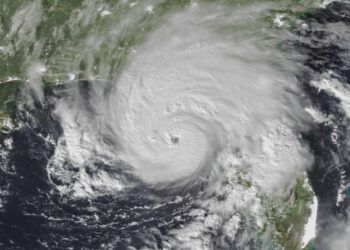
UBS released estimates showing that insured losses could average about $9.36 billion from Hurricane Idalia.
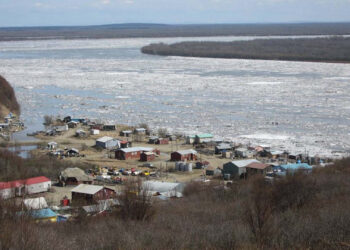
New research published in Nature Geoscience delves into how rivers in the Arctic are responding to the warming climate.
At least five large property insurers have said extreme weather patterns caused them to stop writing coverages in some regions.
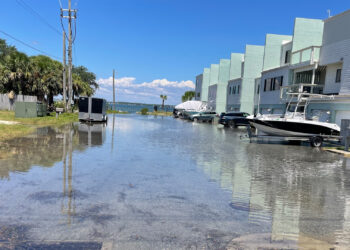
An overall rise of about nine inches in sea level could have made the difference between flooding and staying dry...
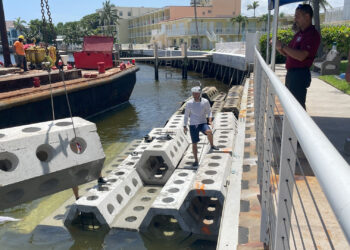
Wahoo Bay offers a test case of an innovative way to combine natural and human-made solutions to improve coastal resilience.
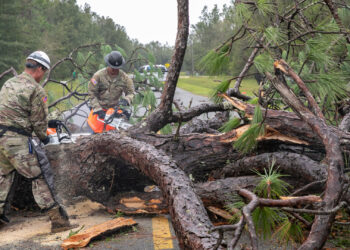
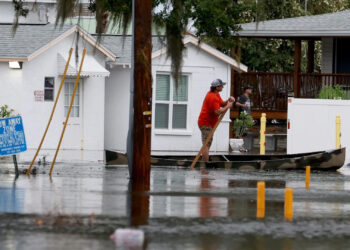
Officials and residents said the rural Big Bend region was wholly unprepared for the Category 3 storm.
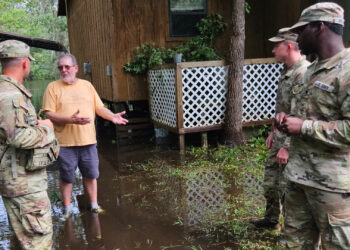
Gov. DeSantis toured the storm damage and President Biden declared a major disaster area for Florida's hardest-hit counties.
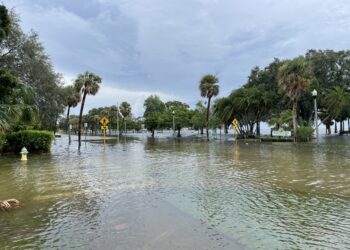
We expect flooding during heavy rains or storm surge from a hurricane, but what do you do if the street...