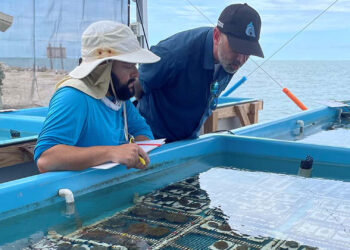
Florida Institute of Oceanography’s Keys Marine Laboratory, hosted by USF, to return rescued corals back to the sea
Unprecedented heat waves this past summer caused one of the largest coral bleaching events in history.


Unprecedented heat waves this past summer caused one of the largest coral bleaching events in history.
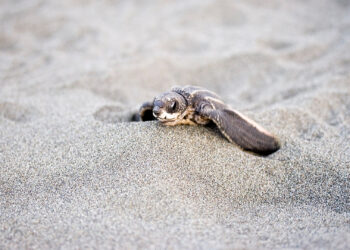
Many sea turtles are being born with deformities and almost all of them are female due to rising temperatures.
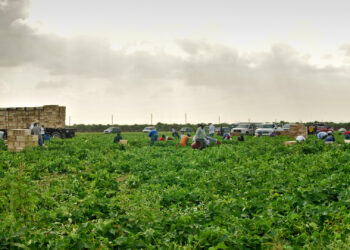
Protecting the people who pick your food is as easy as giving them shade and water.

A study by FAU’s Center for Environmental Studies found that 90% of Floridians say climate change is happening right now.

The Republican debate on Nov. 8 provides an important platform for discussing climate change
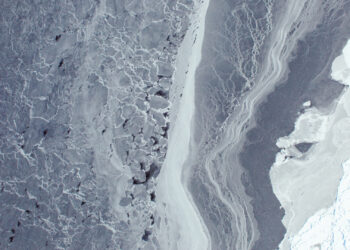
This ocean-driven melting is expected to increase sea-level rise, with consequences for coastal communities around the world.
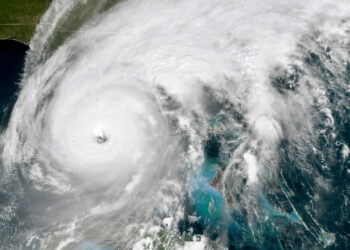
New research by a Rowan University climate scientist shows a 50-year trend in hurricane escalation
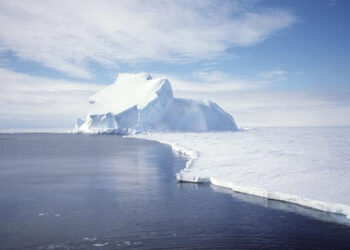
A new study anticipates there may be nothing that can be done to prevent further damage to the West Antarctic ...
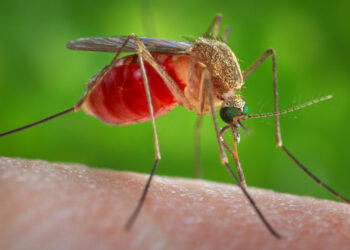
Dengue fever is one of many mosquito-borne illnesses to creep back onto U.S. soil recently.
'We’re asking for something so simple. Something that could save so many lives.'