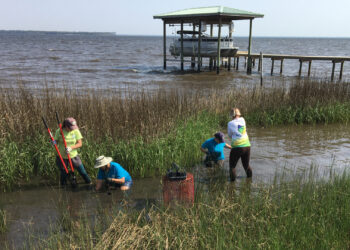
Living shorelines provide a natural defense against climate change for Florida’s coasts
Living shorelines offer a sustainable alternative to traditional protection methods that can exacerbate problems they aim to solve.


Living shorelines offer a sustainable alternative to traditional protection methods that can exacerbate problems they aim to solve.
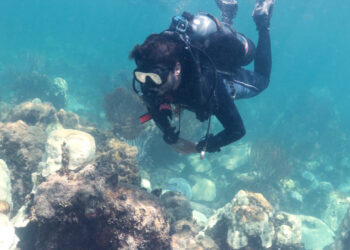
Research will assess how climate change stressors are impacting South Florida’s coastal and marine ecosystems.
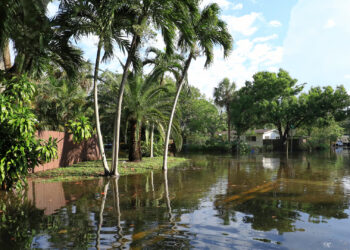
Fort Lauderdale plans to upgrade the drainage infrastructure in 25 of its most flood-prone neighborhoods in the next decade.

Let’s not take our eyes off what is truly hurting manatees in Florida: widespread water quality degradation.
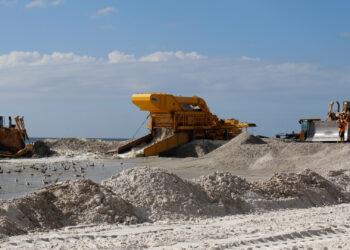
Over the last 87 years, Florida has spent at least $1.9 billion on beach nourishment.
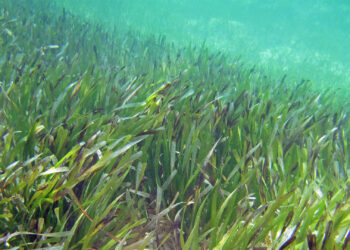
More than 4,000 acres of seagrass, or 38%, disappeared in Old Tampa Bay between 2018 and 2020.
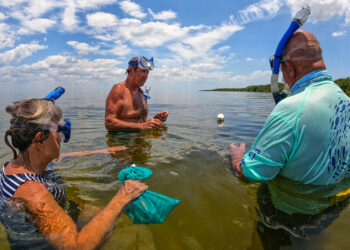
Seagrasses stabilize shorelines, sequester carbon and act as a food source and a habitat for important fish species.

One potential consequence of a weakening Florida Current could be higher sea levels, more sunny-day flooding in Miami.
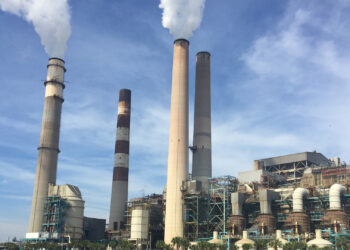
The Florida Public Service Commission approved sending a letter to the EPA raising concerns over its proposed power-plant rule.
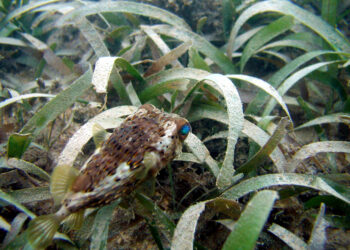
Starting in 2011, all five of Florida’s major estuaries began to suffer seagrass die-offs that continue to this day.